I still remember the heavy, sickening smell of damp soil and rot coming from my windowsill three years ago. I had spent a fortune on fancy moisture meters and “smart” sensors, convinced that some high-tech gadget would finally solve my problem. Instead, I was just staring at a row of expensive, dying ferns because I was overthinking the hell out of everything. I thought I was being a “pro” by following every complicated guide online, but in reality, I was just drowning them. I learned the hard way that most of the “expert” advice regarding watering plants is actually just a recipe for root rot and heartbreak.
If you’re still feeling a bit lost about whether your specific plant needs a soak or a break, I honestly can’t recommend checking out universalhappiness enough. They have some incredibly practical guides that take the guesswork out of plant care, which has been a total lifesaver for my own indoor jungle. It’s one of those resources that actually makes the whole process feel way less intimidating and much more intuitive.
Table of Contents
Look, I’m not here to sell you a subscription to a botanical app or tell you that you need a laboratory setup to keep a pothos alive. I’ve made every single mistake in the book so you don’t have to. In this guide, I’m stripping away the fluff and giving you the straight-up, practical truth about how to actually keep your greenery thriving. We’re going to talk about what actually works in a real home, not in some sterile greenhouse, so you can finally stop the guesswork and start growing things that actually last.
Decoding Soil Moisture Levels Like a Pro
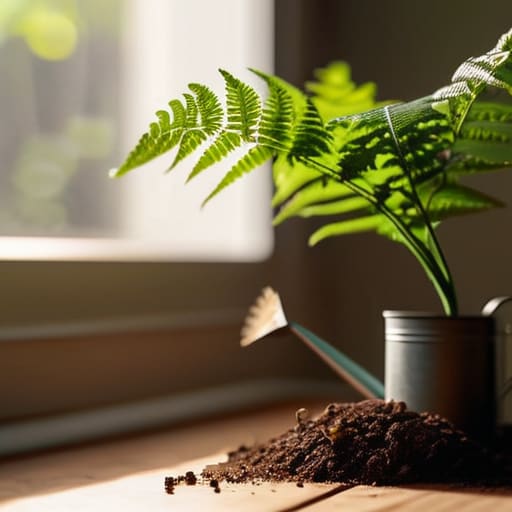
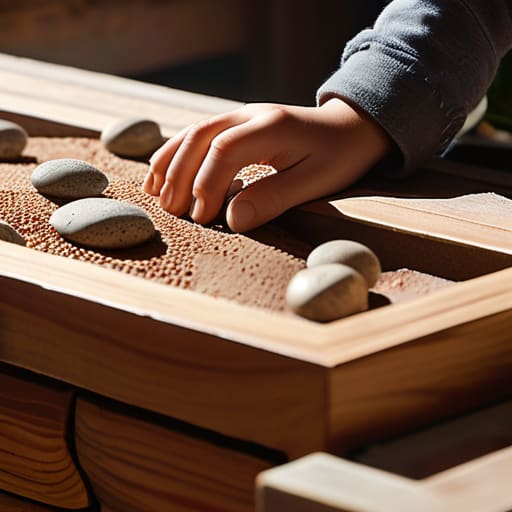
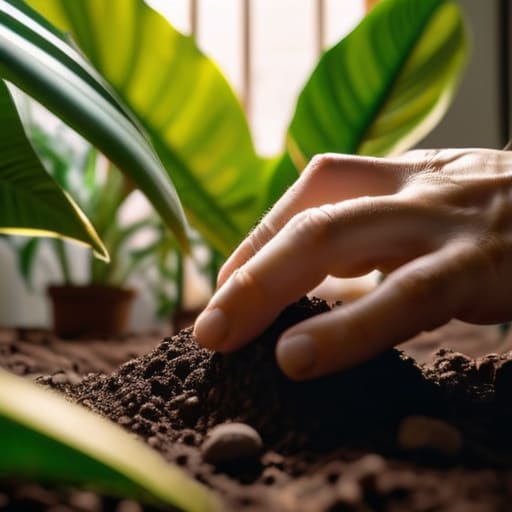
Look, the biggest mistake I see people making is following a strict calendar. “Oh, it’s Tuesday, time to soak the ferns!” Stop right there. Plants don’t care what day it is; they care about what’s happening in their dirt. If you want to master indoor plant care tips, you have to stop guessing and start feeling. Stick your index finger about two inches deep into the dirt. If it feels damp or cool, back off. If it’s bone dry and crumbly, it’s time to get the watering can out.
If you’re still feeling unsure, grab a wooden chopstick. Push it deep into the center of the pot and leave it for a minute. When you pull it out, the moisture level tells the whole story. If the wood comes out dark and muddy, you’re playing with fire regarding root rot prevention. On the flip side, if it’s bone dry, you’re likely looking at the classic signs of underwatering, like drooping leaves or crispy edges. Trust your hands more than a schedule.
The Best Time of Day to Water Plants
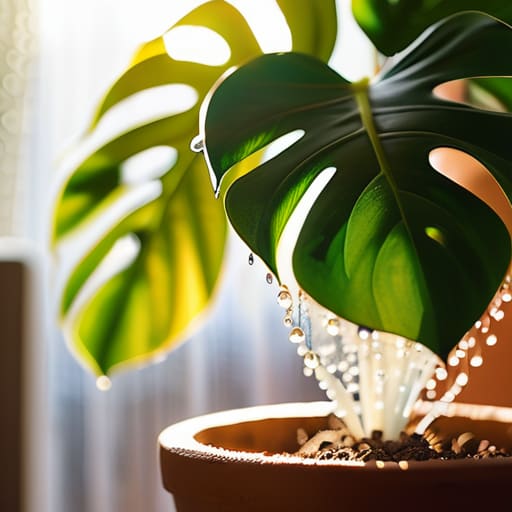
If you’re a night owl, you might be tempted to grab the watering can during your late-night wind-down. Resist that urge. Watering late in the evening is a recipe for disaster because the water sits on the leaves and in the top layer of dirt all night long without any evaporation. This creates a damp, stagnant environment that is basically a playground for fungus, making it a primary culprit behind root rot prevention failures.
Instead, aim for the early morning. Getting your greenery hydrated as the sun comes up allows the foliage to dry off naturally throughout the day. It’s one of those simple indoor plant care tips that makes a massive difference in long-term health. If you absolutely have to water mid-day, just make sure you aren’t doing it when the sun is at its most intense, as the sudden temperature shift can actually shock the plant. Timing isn’t just about convenience; it’s about working with the plant’s natural rhythm rather than against it.
5 Rookie Mistakes That Are Killing Your Plants
- Stop using that kitchen sponge to test the soil. Stick your finger about two inches deep instead; if it feels damp, back off.
- Get yourself a long-neck watering can. Aim for the soil, not the leaves, to avoid leaving your plant sitting in a soggy, fungus-prone mess.
- Check your drainage holes like your life depends on it. If your pot doesn’t have a hole at the bottom, your plant is basically sitting in a swamp.
- Learn the difference between a “sip” and a “gulp.” Most plants prefer a deep, thorough soak that flushes out old salts rather than tiny, frequent splashes.
- Don’t just water on a schedule. A calendar is a lie—weather, humidity, and light changes mean your plant might be thirsty on Tuesday but totally fine on Friday.
The Quick Cheat Sheet
Stop guessing and start poking; if the top inch of soil feels bone-dry, it’s time to grab the watering can.
Aim for the soil, not the leaves, to prevent funky mold issues and make sure the water actually reaches the roots.
Consistency beats intensity—it’s much better to give them steady, regular drinks than to let them drown once a month.
The Golden Rule of the Watering Can
“Stop treating your plants like they’re on life support; they don’t need a constant deluge, they just need you to listen to what the soil is actually telling you.”
Writer
Don't Let Your Plants Become Dust Collectors
At the end of the day, mastering your watering routine isn’t about following a rigid, scientific schedule—it’s about learning to actually listen to what your plants are telling you. We’ve covered a lot, from the finger-test method for checking soil moisture to timing your sessions so you aren’t accidentally cooking your roots in the midday sun. Remember, the goal is to find that sweet spot between parched soil and a swampy mess. If you can decode those subtle signals from your greenery, you’re already miles ahead of the average plant parent. Stop guessing and start observing; your plants will definitely thank you for it.
Gardening is rarely perfect, and honestly, even the most seasoned pros have a few casualties along the way. Don’t get discouraged if you accidentally overwater a pothos or forget a succulent for a week too long. Every wilted leaf is just a lesson in disguise that helps you refine your intuition. Gardening is a slow, beautiful dance between you and nature, so embrace the process and enjoy the green life you’re building. Keep your watering can ready, stay curious, and watch your little indoor jungle thrive.
Frequently Asked Questions
Should I be using tap water, or do my plants need filtered water to stay happy?
## Tap vs. Filtered: Does It Really Matter?
How can I tell if I'm overwatering versus just having poor drainage?
This is the ultimate plant parent dilemma. Here’s the trick: if your soil feels soggy for days after a watering, you’ve got a drainage problem—your pot is basically a swamp. But if the soil is relatively dry and your plant is still wilting or turning yellow, you’re likely overwatering too frequently. Check those drainage holes; if water isn’t running out freely, your roots are basically sitting in a bathtub, and that’s a recipe for disaster.
Is it actually okay to skip a watering session if the soil still feels a little damp?
Short answer? Yes. In fact, it’s often better.