I’m so sick of the “meal prep Sunday” cult telling us that the only way to eat well is to spend four hours Tupperware-ing bland chicken and broccoli for the week ahead. It’s exhausting, it’s rigid, and honestly, it’s the quickest way to make you hate your kitchen. If you’re tired of feeling like you need a spreadsheet just to make dinner, I want you to know there is a much better way to learn how to cook more without a plan. You don’t need a culinary degree or a color-coded calendar; you just need to stop treating your kitchen like a high-stakes laboratory and start treating it like a playground.
In this post, I’m stripping away all the fluff and the expensive kitchen gadgets you definitely don’t need. I’m going to show you my actual, battle-tested methods for turning whatever random scraps are lurking in your crisper drawer into a legit meal. No gatekeeping, no complicated techniques, and absolutely zero rigid schedules. We’re going to talk about building intuition, mastering a few “emergency” flavor profiles, and finally finding the freedom to just cook.
Table of Contents
Mastering Improvisational Cooking Techniques
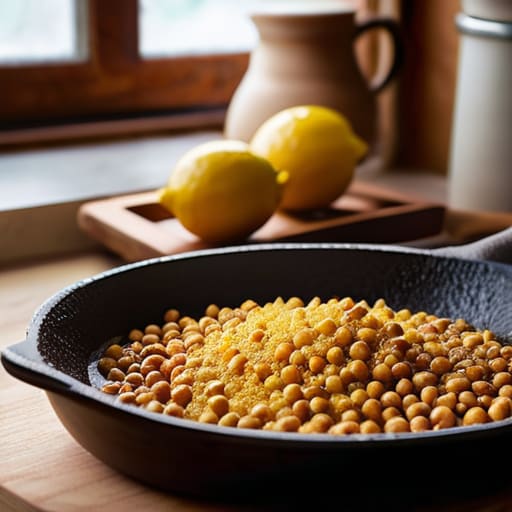
The secret to ditching the cookbook isn’t about memorizing hundreds of dishes; it’s about understanding the mechanics of building flavor profiles. Instead of looking for a specific recipe, start thinking in terms of components: a fat, an acid, a salt, and a heat. If you have some sautéed onions and a stray can of chickpeas, you aren’t stuck. Add some cumin for earthiness, a squeeze of lemon to brighten it up, and a splash of olive oil, and suddenly you have a legitimate meal. Once you stop viewing ingredients as rigid instructions and start seeing them as building blocks, the anxiety of cooking without recipes completely evaporates.
This shift in mindset relies heavily on your ability to lean into improvisational cooking techniques like “the pan method.” If you have a protein and some wilting vegetables, throw them in a hot skillet with whatever aromatics are lingering in your crisper drawer. You don’t need a precise measurement of garlic or a specific type of herb to make something delicious. It’s about trusting your palate and realizing that most great meals are just happy accidents that happened because you weren’t afraid to experiment.
Building Flavor Profiles on the Fly
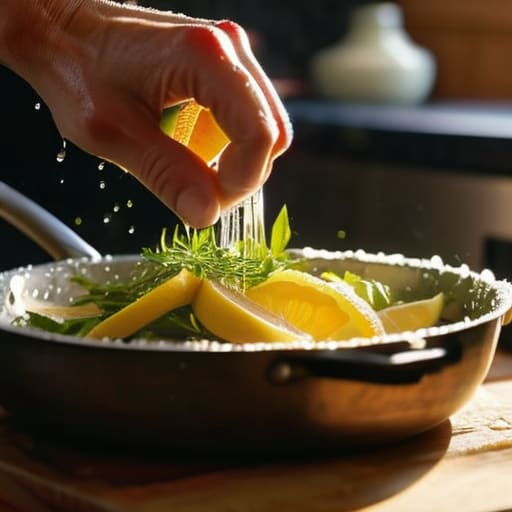
Once you’ve stopped obsessing over a specific recipe, you have to learn how to actually make things taste good using nothing but intuition. This is where building flavor profiles becomes your secret weapon. Instead of looking for a list of ingredients, start thinking in terms of balance: acid, fat, salt, and heat. If a sauce tastes flat or heavy, don’t reach for more salt; reach for a squeeze of lemon or a splash of vinegar. That hit of acidity cuts through the richness and wakes everything up. It’s about learning the rhythm of the palate rather than following a roadmap.
The real magic happens when you lean into pantry staple meal ideas by pairing contrasting textures and tastes. Got a can of chickpeas and some wilted spinach? Sauté them with garlic, add a heavy hand of cumin, and finish with a dollop of yogurt. You aren’t just throwing food in a pan; you’re layering elements to create depth. Once you master these basic combinations, you’ll realize that cooking without recipes isn’t just a way to save time—it’s actually much more creative.
The "No-Plan" Survival Kit
- Stop buying niche ingredients that sit in your pantry for six months; stick to the versatile heavy hitters like garlic, onions, lemons, and high-quality olive oil that can rescue almost any sad-looking vegetable.
- Learn to cook by “component” rather than “recipe,” meaning you focus on perfecting a way to roast a tray of veggies or sear a protein so you can mix and match them differently every single night.
- Keep a “emergency pantry” of shelf-stable lifesavers like canned chickpeas, coconut milk, or good pasta that can be turned into a legitimate meal in under ten minutes when your brain completely shuts down.
- Trust your nose and your tongue more than a cookbook; if a dish feels like it’s missing something, it’s usually just a hit of acid (vinegar or citrus) or a pinch of salt, not a missing ingredient from a list.
- Embrace the “fridge forage” mentality by making it a game to see how many random leftovers or half-used jars you can combine into a stir-fry or a grain bowl instead of defaulting to takeout.
The "No-Plan" Cheat Sheet
Stop hunting for recipes and start hunting for ingredients; once you know what’s in your fridge, the recipe basically writes itself.
Build a “flavor toolkit” of pantry staples like acids, fats, and spices so you can fix a boring dish in seconds without checking a cookbook.
Embrace the mess and the mistakes—improvisational cooking is a muscle, and you only get better by actually getting your hands dirty.
The Freedom of the Empty Pantry
“A recipe is just a suggestion, not a legal contract. The moment you stop treating your kitchen like a chemistry lab and start treating it like a playground, you actually start eating.”
Writer
Ditch the Script and Get Cooking
If you’re still feeling a bit paralyzed when staring at a random assortment of ingredients, don’t sweat it—it’s all about building a mental library of what actually works together. I’ve found that having a few reliable go-to frameworks makes the transition from rigid recipes to intuitive cooking so much smoother. For instance, if you’re looking for some structured inspiration to help bridge that gap, checking out active options is a great way to see how different elements can be combined without feeling like you’re trapped by a strict set of instructions. It’s really about finding that sweet spot between structure and spontaneity so you can trust your gut more often.
At the end of the day, cooking without a roadmap isn’t about being a professional chef; it’s about stripping away the intimidation factor. You’ve learned how to lean into the chaos by mastering basic improvisational techniques, understanding how to balance flavors when you’re staring at a half-empty pantry, and realizing that a recipe is really just a suggestion, not a law. Once you stop viewing a missing ingredient as a failure and start seeing it as an opportunity to pivot, the entire kitchen experience shifts. You aren’t just following instructions anymore—you’re actually learning how to cook.
So, please, for the love of all things delicious, stop waiting for the “perfect” time to meal prep or the “perfect” grocery haul to arrive. The best meals I’ve ever eaten didn’t come from a color-coded spreadsheet; they came from a Tuesday night when I was tired, hungry, and forced to make something out of whatever was left in the fridge. Go ahead and throw that random assortment of veggies into a pan with some garlic and oil. Embrace the mess, trust your instincts, and remember that culinary intuition is a muscle—the more you use it, the stronger it gets. Now, get in the kitchen and just start making something.
Frequently Asked Questions
What do I do if I realize I'm actually missing a core ingredient like eggs or garlic?
Don’t panic—this is where the real cooking begins. If you’re missing a binder like eggs, lean on starches or even a bit of Greek yogurt to hold things together. Missing garlic? Double up on shallots or hit the dried herbs hard. The goal isn’t to replicate the original recipe perfectly; it’s to pivot. Treat the missing ingredient as a creative prompt rather than a roadblock. Just adjust, taste, and keep moving.
How do I stop myself from just ordering takeout when the "chaos" feels too overwhelming?
Look, when the kitchen feels like a battlefield, the easiest escape is the delivery app. To fight that urge, lower the stakes. Tell yourself you aren’t “cooking a meal,” you’re just making a snack that happens to be dinner. Grab a piece of toast, throw an egg on it, or toss some canned beans with whatever spices are nearby. If you aim for perfection, you’ll order pizza. If you aim for fuel, you’ll actually cook.
Is there a way to do this without wasting a ton of food that I end up not using?
The fear of a “fridge graveyard” is real, but here’s the trick: stop buying for recipes and start buying for components. Instead of a specific bag of kale for a salad you might not make, grab a versatile veggie that works in everything. Also, keep a “use it or lose it” bin in your fridge. Anything looking a little sad goes in there to become a quick soup, a stir-fry, or a morning omelet.