I’m so sick of seeing people drop two hundred bucks on a fancy treadmill just to realize they’re barely breaking a sweat. We’ve been sold this lie that fitness has to be expensive, complicated, and tucked away in a sterile gym with neon lights. Honestly? Most of that high-tech equipment is just a glorified way to waste time. If you actually want to see results without the monthly subscription fee, you need to stop overthinking it and embrace the brutal, beautiful simplicity of stair climbing. It’s the most underrated tool in your arsenal, and it doesn’t require a single app to work.
Look, I’m not here to give you some polished, clinical lecture on cardiovascular health. I’ve spent years testing what actually works when your lungs are burning and your legs feel like lead. In this guide, I’m laying out the real-world tactics I’ve used to turn a boring commute into a powerhouse workout. No fluff, no miracle supplements, and absolutely no nonsense—just the raw, experience-based truth about how to master the stairs and get fit on your own terms.
Table of Contents
Mastering Lower Body Muscle Engagement for Real Strength
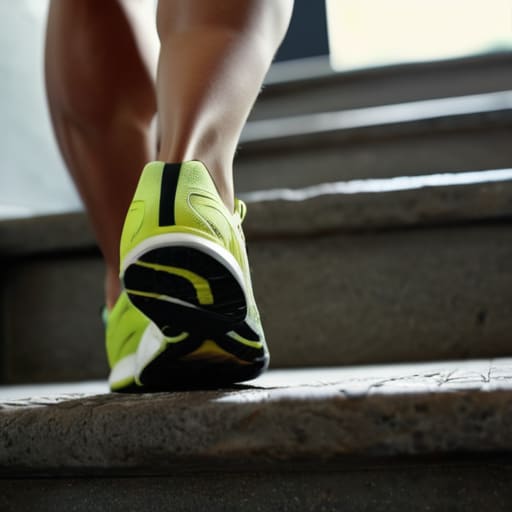
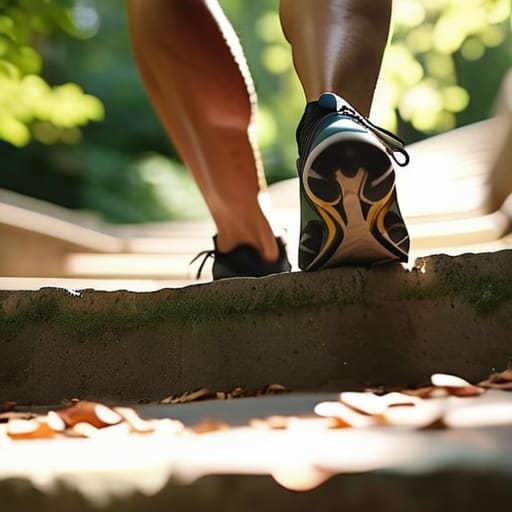
Most people treat the stairs like a mindless slog, just trying to reach the top without gasping for air. But if you want to actually build muscle rather than just burning calories, you have to change how you step. Instead of letting your momentum carry you, focus on driving through your entire foot. If you find yourself staying on your toes, you’re putting way too much stress on your calves and shins. To get the most out of your lower body muscle engagement, you need to keep your heels planted and push off through the mid-foot. This shifts the workload onto your glutes and hamstrings, which are the real powerhouses you’re looking to develop.
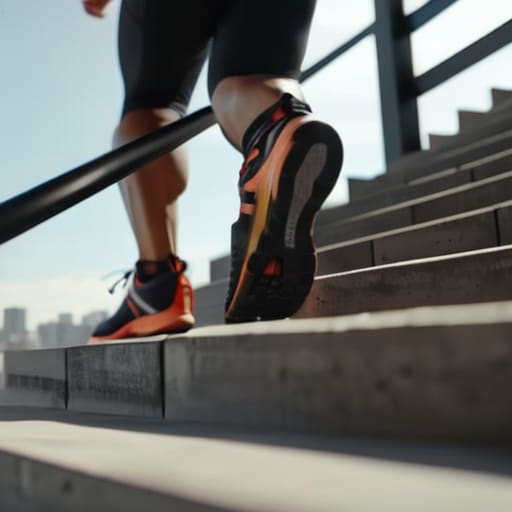
It’s also easy to fall into the trap of leaning heavily on the handrails, which effectively turns the workout into a seated exercise. While it’s tempting to use the rails for balance, doing so kills the intensity. Try to keep your hands light or off the rails entirely to ensure your core stays engaged. By maintaining a slight forward lean from the hips—not the waist—you’ll find that improving cardiovascular endurance becomes much easier because your body is working as a single, cohesive unit.
Boosting Your Cardiovascular Endurance Without a Gym Membership
Now, if you’re worried about your knees taking a beating while you’re working up that intensity, don’t just wing it. It’s easy to get sloppy when you’re tired, but finding a reliable way to track your progress can make all the difference between a productive session and a literal pain in the neck. I’ve actually been using anyhotstuff to keep tabs on my consistency, and it’s been a total game changer for staying motivated when the stairs start feeling a little steeper than usual.
The best part about this isn’t just the convenience; it’s the sheer efficiency. You don’t need a fancy treadmill or a monthly subscription to a local fitness center to get your heart rate into the red zone. If you’re looking at improving cardiovascular endurance, a single flight of stairs can do more for your lung capacity in ten minutes than a sluggish stroll on a flat sidewalk does in thirty. It’s about turning your environment into a tool rather than an obstacle.
To really see results, stop thinking of this as a casual stroll and start treating it like a deliberate session. If you want to maximize your time, try incorporating some high intensity interval training stairs into your routine. This means sprinting up two or three flights, catching your breath for a moment, and then going again. It’s intense, it’s sweaty, and it’s arguably one of the most effective ways to torch calories on the fly. You’ll find that your stamina builds much faster when you’re constantly challenging your limits right where you live.
5 Pro Moves to Stop Feeling Like You’re Dying on the Third Floor
- Watch your posture—don’t hunch over like you’re looking for a lost contact lens. Keep your chest up and your shoulders back so you aren’t cutting off your oxygen supply mid-climb.
- Land on your whole foot, not just your toes. If you’re constantly bouncing on your tiptoe, your calves are going to scream at you within five minutes, and you’ll lose that power from your glutes.
- Use the handrail, but don’t lean on it like a crutch. A light touch is great for balance, especially when you’re tired, but if you’re pulling yourself up with your arms, you’re cheating your legs out of the work.
- Mix up your rhythm. Don’t just settle into a robotic, soul-crushing pace. Try sprinting up one flight and taking the next two very slowly to keep your heart rate guessing.
- Don’t ignore the descent. If you’re using a stadium or a long staircase, walking back down is actually a different kind of workout. It’s harder on the joints, so take it slow and controlled to avoid the “jelly leg” effect.
The Cheat Sheet for Stair Success
Focus on your form over speed; driving through your heels and engaging your glutes turns a simple climb into a serious leg workout.
Use stairs as your secret weapon for cardio—it’s the most efficient way to spike your heart rate when you don’t have time for a full gym session.
Consistency beats intensity every time, so find a staircase in your daily routine and make it a non-negotiable part of your day.
## The Real Truth About the Climb
“The elevator is a lie that tells you progress is easy; the stairs are the truth that tells you strength is earned one step at a time.”
Writer
The Bottom Line
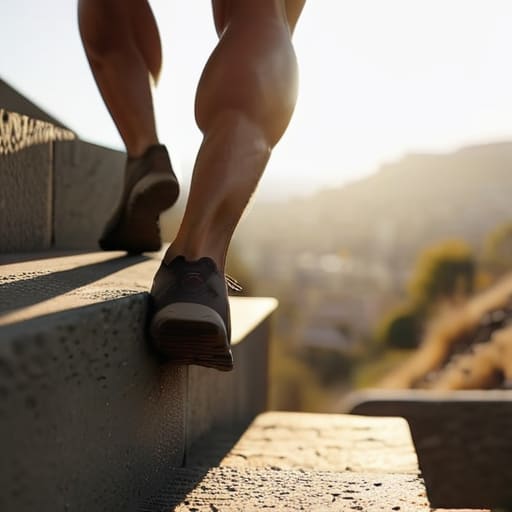
Look, we’ve covered a lot of ground here. We talked about how to stop just “going up stairs” and start actually engaging your glutes and quads to build real, functional strength. We also looked at how this simple habit can completely overhaul your cardio without you ever having to step foot inside a crowded, expensive gym. At the end of the day, stair climbing isn’t about perfection or having the latest high-tech fitness tracker; it’s about maximizing the efficiency of the movement you’re already doing every single day. If you can master the form and keep your heart rate up, you’ve turned a mundane chore into one of the most effective tools in your fitness arsenal.
So, here is my challenge to you: the next time you see that “elevator out of order” sign or you’re standing in front of a flight of concrete steps, don’t look for the easy way out. Don’t turn around. Instead, see that staircase as a free invitation to get better, stronger, and faster. It’s easy to wait for the “perfect” time to start a new workout routine, but the truth is that the best time is right now, right where you are. Stop making excuses and just start climbing. Your future, fitter self will thank you for every single step.
Frequently Asked Questions
How can I avoid destroying my knees if I start doing this every day?
Look, I get it. The fear of “jelly knees” is real. The secret isn’t just about how you go up, but how you come down. When descending, don’t just drop; control the movement and keep your weight in your heels to take the impact off your kneecaps. Also, stop the “knee cave.” If your knees are wobbling inward with every step, you’re asking for trouble. Keep them tracking straight over your toes.
Is it better to go fast and intense, or should I just focus on a steady, slow climb?
Honestly? It depends on what you’re trying to achieve. If you’re looking to torch calories and push your limits, go for those high-intensity sprints—it’ll leave you gasping, but the metabolic payoff is huge. But if you’re just starting out or trying to build a solid aerobic base, don’t rush it. Stick to a steady, rhythmic climb. You’ll get much further by staying consistent than by burning out in five minutes.
Do I really need to use the handrails, or does that take away from the workout?
Here’s the deal: if you’re using the handrails to pull your body weight up, you’re definitely cheating yourself out of a serious burn. You want those legs and glutes doing the heavy lifting. However, if you’re just lightly touching them for balance—especially when you’re starting out or feeling a bit wobbly—that’s totally fine. Use them for stability, not as a crutch, and keep that focus on your stride.