
I was standing in my kitchen last Tuesday, staring at a mountain of unopened envelopes that had somehow migrated from the entryway table to the very edge of the granite countertop. I felt that familiar, sinking knot in my stomach—the one that comes when you realize you’ve been avoiding your mailbox for three weeks straight. We’ve all been there, haven’t we? That overwhelming sense that managing household mail isn’t just about sorting paper, but about facing a growing pile of mental clutter that threatens to swallow your entire afternoon.
Look, I’m not going to sell you on some high-priced, color-coded filing system or a fancy digital scanner that costs more than my first car. Most of that “productivity hack” nonsense is just more clutter in disguise. Instead, I’m going to give you the unfiltered, real-world tactics I actually use to keep the paper tiger at bay. We’re going to talk about simple, repeatable habits that work in a real, messy house, so you can stop dreading the mail slot and reclaim your peace of mind.
Table of Contents
Implementing Fail Proof Mail Sorting Systems for Home
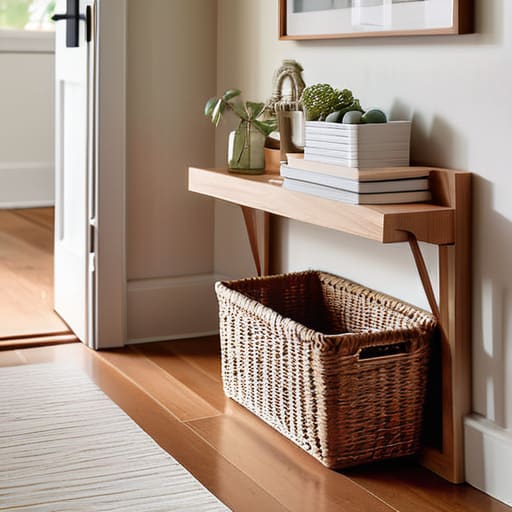
The first step to reclaiming your sanity is establishing a “landing zone” right where the chaos enters. Instead of letting envelopes drift toward the kitchen island, set up dedicated mail sorting systems for home near your front door. I’m talking about a simple tiered tray or a wall-mounted organizer that forces you to make a decision the second you walk in. You want to create a physical boundary that separates the “junk” from the “action items.” If it’s just a grocery circular or a pizza coupon, toss it in the recycling bin immediately. Don’t even let it touch your counter.
Once you’ve cleared the junk, you need a workflow for the stuff that actually matters. This is where most people stumble—they move the pile from the entryway to the dining table. To avoid this, focus on organizing bills and important documents into three distinct categories: Action Required (bills to pay), To File (tax docs or receipts), and Read Later (newsletters). By categorizing as you sort, you stop the endless cycle of moving paper piles from one room to another without actually doing anything about them.
Reducing Paper Clutter in Entryway Zones Immediately

If you find that your mail clutter is actually a symptom of a much larger organizational breakdown in your home, it might be time to look at your space through a different lens. Sometimes, the issue isn’t just a messy entryway, but rather a floor plan that doesn’t support a streamlined lifestyle. I’ve found that checking out resources like berishproperties can be a total game-changer for understanding how to better utilize your living area, helping you transition from merely surviving the chaos to actually mastering your environment.
If your entryway looks more like a paper graveyard than a welcoming entrance, it’s time for a hard reset. The goal isn’t just to move the mess; it’s about reducing paper clutter in entryway zones so you don’t feel an immediate wave of anxiety every time you walk through the door. Start by designating a “landing strip”—a specific tray, basket, or small console table—where every piece of mail must land. If it doesn’t have a designated home in that specific spot, it doesn’t belong in the entryway.
To keep this from turning into a permanent pile, you need a “one-touch” rule. As you’re walking in, don’t just drop the stack on the table and walk away. Take ten seconds to scan: toss the junk directly into the recycling bin and immediately move anything requiring action to a dedicated folder. This is one of those simple digital mail management tips that works wonders; if a bill can be paid on your phone, scan it or snap a photo and shred the hard copy right then and there. Stop treating your entryway like a storage unit and start treating it like a transit zone.
The "One-Touch" Rules to Keep the Chaos at Bay
- Stop the “Landing Strip” trap by making a rule that you never put mail down on a flat surface unless it’s in its designated bin. If it hits the counter, it’s officially clutter.
- Go on a digital crusade to unsubscribe from every single junk catalog and physical billing statement that lands in your box. If you can view it on an app, don’t let it touch your paper.
- Create a “Trash-First” ritual where the very first step of opening mail is a ruthless scan for flyers, menus, and envelopes that are literally garbage. Don’t even let them enter the house.
- Set up a dedicated “Action Required” folder for the stuff that actually needs your brainpower—taxes, school forms, or bills—so you aren’t hunting through junk to find that one important notice.
- Schedule a five-minute “Mail Audit” every Sunday night to clear out the folders and shred anything sensitive, ensuring the pile never has a chance to grow into a mountain.
The Bottom Line: Staying Ahead of the Pile
Stop the “entryway drift” by deciding—right then and there—what’s trash and what’s worth keeping.
Build a system that works for your actual life, not a Pinterest-perfect fantasy that’s impossible to maintain.
Treat your mail like a task, not a permanent fixture of your home decor.
The Psychology of the Pile
Your mail isn’t just paper; it’s a mounting list of tiny mental obligations. Every unread envelope on the counter is a silent demand for your attention, slowly draining your focus before you’ve even finished your morning coffee.
Writer
Reclaiming Your Space and Your Sanity
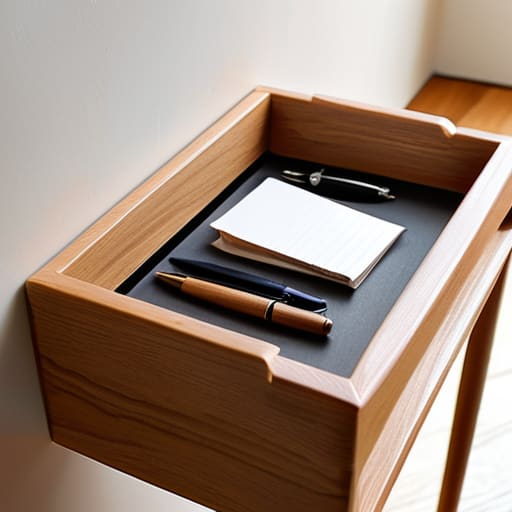
At the end of the day, managing your mail isn’t about achieving some impossible level of perfection; it’s about building a system that actually works for your life. We’ve talked about setting up fail-proof sorting stations and clearing out those entryway clutter zones that seem to swallow everything in sight. By implementing these small, intentional shifts—like deciding what to toss the moment it hits your hand—you stop being a victim of the paper tiger and start becoming the master of your own domain. It’s about moving from a state of constant reactive chaos to a sustainable rhythm that keeps your counters clear and your mind even clearer.
Don’t let the sheer volume of incoming envelopes intimidate you into inaction. Start small, maybe just by tackling one single pile this evening, and watch how quickly that heavy sense of “to-do list dread” begins to lift. You deserve a home that feels like a sanctuary, not a filing cabinet that’s burst at the seams. Once you break the cycle of paper accumulation, you’ll realize that you aren’t just organizing envelopes—you are reclaiming your mental energy for the things that actually matter. Go grab that recycling bin and take back your space.
Frequently Asked Questions
What should I do with all those old bank statements and utility bills I’m too afraid to throw away?
The “just in case” anxiety is real, but you don’t need a mountain of paper to feel secure. First, digitize everything. Scan those statements into a secure, encrypted cloud folder or an external hard drive, then shred the originals. Most banks and utility companies keep years of digital records anyway. If you must keep physical copies for tax purposes, toss everything else once the digital version is safely backed up. Clear the clutter, keep the data.
How do I stop the constant influx of junk mail before it even hits my physical mailbox?
The secret is to stop the bleeding at the source. Most junk mail is just data mining in disguise. Start by hitting up DMAchoice and OptOutPreScreen.com—it’s a bit of a chore initially, but it’s like putting a digital dam in place. Also, don’t be afraid to call your bank or insurance providers directly and tell them you want to go paperless. If it’s not digital, it’s just future clutter.
Is it worth setting up a digital-only system, or will I eventually miss something important?
Look, the “digital-only” dream is tempting, but let’s be real: going 100% paperless usually leads to things slipping through the cracks. I’ve been there, missing a critical tax notice because it got buried in a promotional email thread. Instead of an all-or-nothing approach, aim for a hybrid. Digitizing your receipts and statements is brilliant, but keep a small, dedicated physical spot for the “must-touch” stuff. It’s about control, not total elimination.