I was standing in my hallway last Tuesday, staring at a pile of half-packed summer gear and a single, lonely wool sweater, feeling that familiar, heavy sense of dread. There is this weird, unspoken pressure to “embrace” seasonal transitions as if they’re some magical, Pinterest-worthy transformation involving pumpkin spice everything and perfectly curated autumn aesthetics. But let’s be real: most of the time, these shifts just feel like a chaotic scramble to figure out why your sleep schedule is trashed and why you suddenly can’t find your favorite boots. It’s less about aesthetic magic and more about managing the actual, messy friction of moving from one version of your life to the next.
I’m not here to sell you a lifestyle overhaul or a list of expensive wellness gadgets you don’t need. Instead, I want to share the actual, grit-under-the-fingernails tactics I use to keep my sanity intact when the weather turns. We’re going to skip the fluff and focus on practical, low-effort shifts that actually work for real people. Consider this your no-nonsense guide to navigating the in-between moments without losing your mind—or your budget.
Table of Contents
Transitioning Summer to Autumn Fashion With Ease

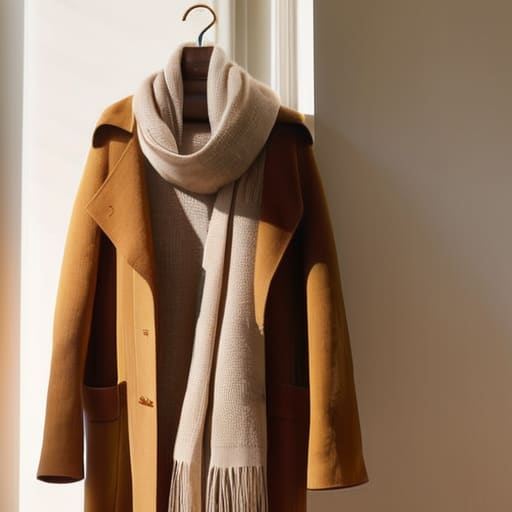
The biggest mistake I used to make was thinking I needed to clear out my entire closet the moment the first leaf turned brown. In reality, transitioning summer to autumn fashion is much more about a strategic hand-off than a total overhaul. I’ve found that the secret lies in the “middle ground” pieces—think lightweight linen trousers paired with a slightly heavier knit, or a silk slip dress worn under a structured blazer. It’s about finding that sweet spot where you aren’t overheating by noon but aren’t shivering by sunset.
To keep things from feeling chaotic, I’ve leaned heavily into building a capsule wardrobe for fall. Instead of chasing every fleeting trend, I focus on a few reliable staples that play well with what I already own. A great way to start is by experimenting with smart layering techniques; adding a denim jacket over a summer sundress or swapping sandals for leather loafers instantly shifts the vibe without requiring a whole new identity. It’s less about buying more and more about making what you have work a little harder.
Fabric Choices for Changing Temperatures and Comfort
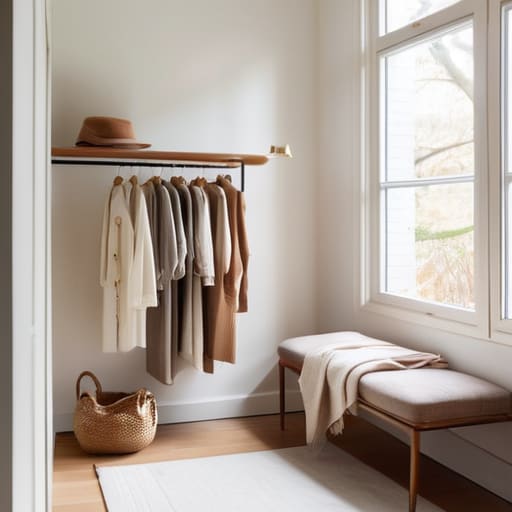
Beyond just the clothes themselves, I’ve realized that staying organized during these shifts is half the battle. I used to get so overwhelmed trying to rotate my entire wardrobe every few months, but I’ve started leaning on some of the curated planning tools I found over at earninginprogress to help me keep everything streamlined. It’s honestly been a total game-changer for keeping my seasonal transitions from feeling like a chaotic chore.
The real trick to staying comfortable when the thermometer starts playing games is all about the tactile stuff—the actual weight and weave of what you’re wearing. I’ve learned the hard way that sticking to heavy wools too early is a recipe for overheating by noon, while clinging to thin linens feels a bit too exposed once the breeze picks up. This is where getting your fabric choices for changing temperatures right becomes a total game-changer. I’ve been leaning heavily into mid-weight cottons and silk blends lately; they offer that elusive middle ground that feels breathable but substantial enough to ward off a sudden chill.
As the air gets crispier, I find myself slowly introducing more texture into my rotation. Think lightweight knits, brushed flannel, and even a bit of corduroy to add some depth. Incorporating these textures is one of my favorite smart layering techniques because it allows you to build an outfit that looks intentional rather than just throwing on whatever is closest to the door. It’s less about a massive overhaul and more about finding those versatile pieces that bridge the gap between the heat and the frost.
My Little Survival Kit for the In-Between Days
- Don’t go cold turkey on your summer wardrobe; instead, start pairing your favorite linen shirts with light knits to bridge that temperature gap without feeling like you’re wearing a costume.
- Keep a “just in case” layer in your car or office bag—usually a lightweight denim jacket or a versatile cardigan—because those sudden afternoon chills are never polite.
- Pay attention to your skin’s subtle cries for help; as the humidity drops, I usually swap my lightweight gel moisturizer for something a bit more nourishing before the dryness really sets in.
- Revisit your morning ritual by slowly introducing warmer scents and heavier mugs, helping your brain realize that the long, bright days are officially winding down.
- Audit your home environment by swapping out thin summer throws for something with a bit more weight, creating a cozy sanctuary that makes the cooling air feel like a hug rather than a nuisance.
Quick Wins for the Seasonal Shift
Don’t overhaul your whole wardrobe at once; just start layering your summer staples with lighter knits to bridge the gap.
Prioritize natural, breathable fabrics like cotton blends and light wools to handle those unpredictable mornings and warm afternoons.
Focus on versatile pieces that can transition easily, so you aren’t constantly swapping outfits every time the temperature dips.
The Rhythm of Change
“Seasonal transitions aren’t just about swapping a linen shirt for a knit sweater; they’re about that quiet, slightly restless permission we give ourselves to shed an old version of our daily lives and make room for something slower, heavier, and more intentional.”
Writer
Embracing the In-Between

At the end of the day, navigating a seasonal shift isn’t about having a perfectly curated, Pinterest-ready wardrobe; it’s about being practical enough to stay comfortable while the weather plays games with us. We’ve looked at how to bridge that gap between summer lightness and autumn weight, and why leaning into smarter fabric choices—like those breathable yet insulating layers—makes all the difference when the morning chill hits. By focusing on versatility and the art of the transition, you can stop fighting the thermometer and start dressing with intention rather than just reacting to the wind.
These little shifts in our routines and our closets are more than just logistical adjustments; they are small, rhythmic celebrations of the passing year. There is something deeply grounding about watching the light change and slowly reclaiming the cozy comforts of a new season. So, don’t rush through the change. Instead, take a moment to lean into the transition, finding beauty in the messy, beautiful middle ground where the seasons meet. After all, it’s in these shifting moments that we often find our most authentic selves.
Frequently Asked Questions
How do I keep my skin from feeling stripped or dry as the humidity drops?
Honestly, once that humidity vanishes, my face starts feeling tight almost immediately. I’ve learned the hard way that just slapping on more moisturizer isn’t enough. I’ve switched to a creamier, oil-based cleanser to stop that “squeaky clean” (but actually stripped) feeling, and I always apply my serums while my skin is still damp. It’s all about trapping that moisture in before the dry air steals it away.
What are some easy ways to transition my home decor without doing a full overhaul?
Honestly, you don’t need to strip your living room bare to get that cozy, autumnal vibe. I usually just lean into the “swap and layer” method. I’ll ditch the breezy linen pillow covers for something in a richer velvet or a chunky knit, and maybe throw a heavy wool throw over the sofa. Even just swapping out a few bright summer candles for something with notes of cedar or spice completely shifts the energy.
Are there specific vitamins or dietary tweaks that actually help with the seasonal energy slump?
I’ve definitely felt that mid-autumn slump where everything just feels… heavy. I’ve found that leaning into Vitamin D is a total game-changer once the sunlight starts retreating. I also swear by swapping my iced coffees for warm, magnesium-rich foods like dark chocolate or pumpkin seeds in the evenings—it helps with that restless sleep that often comes with the temperature shifts. It’s less about a total overhaul and more about just supporting your body through the dip.