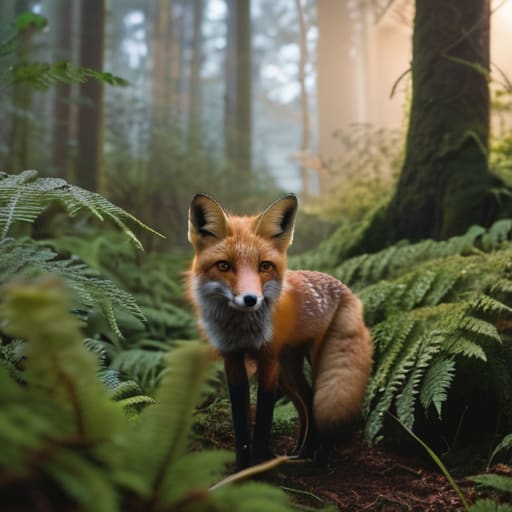
I was crouched in a patch of damp ferns, my knees aching and my breath hitching in my throat, when I finally saw it—a red fox darting through the undergrowth like a flicker of flame. Most people think wildlife spotting requires a $2,000 lens and a degree in ornithology, but honestly? That’s mostly just expensive nonsense designed to separate you from your paycheck. I’ve spent more time sitting in the mud, smelling like wet pine and old coffee, than I have staring at high-tech gear, and let me tell you, the real magic doesn’t happen in a showroom.
I’m not here to sell you on some idealized, cinematic version of nature where animals pose perfectly for your camera. Instead, I’m going to give you the unvarnished truth about what it actually takes to find them. We’re going to skip the fluff and dive straight into the practical, gritty tactics that actually work—from reading the subtle shifts in the wind to knowing exactly when to stay absolutely still. If you want the real deal, you’ve come to the right place.
Table of Contents
Timing the Dawn Best Times for Wildlife Viewing
If you’re still rolling out of bed at 9:00 AM expecting to see anything more exciting than a squirrel scavenging for a discarded bagel, you’re doing it wrong. The real magic happens when the world is still blue and quiet. Most predators and foragers are most active during those first few hours of light, a period often called the “golden hour.” This is when you’ll see the most dramatic shifts in observing animal behavior, as creatures emerge from their dens to feed before the midday heat settles in.
Don’t count out the evening, either. Dusk offers a different kind of energy—a frantic, beautiful rush of activity as the day-dwellers retreat and the nocturnal crew begins to stir. If you’re serious about catching these transitions, patience is your best friend. It’s not just about being there; it’s about settling into the rhythm of the landscape. Whether you’re waiting for a hawk to crest a ridge or a fox to slip through the tall grass, timing the dawn and dusk is the single most effective way to turn a mediocre outing into something unforgettable.
Reading the Land Habitat Identification Techniques
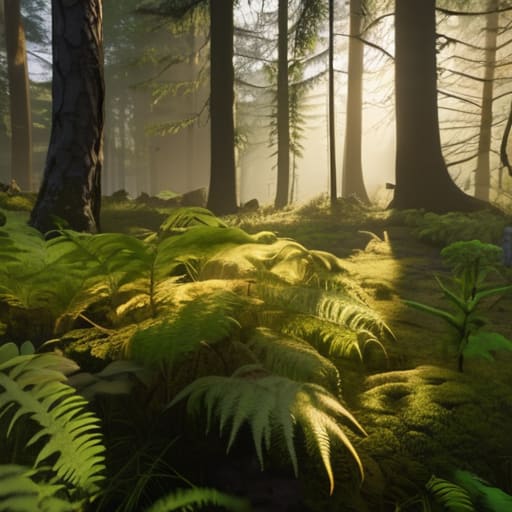
You can’t just wander aimlessly through the woods and expect a moose to pop out for a selfie. To get anywhere, you need to start thinking like the animals do. Instead of looking for the creature itself, look for the signs of life they leave behind. This is where mastering habitat identification techniques becomes your greatest superpower. Look for “edges”—those transition zones where a dense forest meets an open meadow or a marshy pond. These borders are nature’s buffet lines, offering both cover and food, making them prime real estate for almost any species you’re hunting for.
Once you spot a potential hotspot, slow your roll and start observing animal behavior from a distance. Don’t just scan the horizon; look for the subtle tells. A sudden silence in the songbirds or a frantic flutter in the underbrush usually means something is moving nearby. If you see a cluster of broken branches or fresh tracks in the mud, you’ve found a trail. Keep your movements fluid and your eyes peeled—the best sightings happen when you stop looking for the animal and start reading the story the landscape is telling you.
The Unwritten Rules of the Field
- Dress like a shadow. Bright colors are a dead giveaway, so stick to earthy tones—olives, browns, and greys—that let you melt into the landscape rather than standing out like a sore thumb.
- Master the art of the “slow crawl.” If you move too fast, you’re just a predator in their eyes; move with intention, pause often, and let the woods settle back into its natural rhythm around you.
- Keep your nose sharp. Sometimes you’ll smell a fox or a skunk long before you see them, and honestly, that’s a good cue to take a step back and give them some space.
- Silence isn’t just about being quiet; it’s about managing your noise. Avoid heavy footsteps or clanking gear, and if you have to speak, keep it to a low, rhythmic whisper.
- Use your ears as much as your eyes. Most of the best sightings start with a sudden snap of a twig or a frantic bird call—once you hear it, stop moving and scan that specific direction immediately.
The Quick Cheat Sheet
Respect the clock—most of the magic happens in those quiet, golden hours just as the sun starts to peek over the horizon.
Stop looking at the scenery and start looking at the signs; a broken branch or a fresh print tells a much better story than a clear field.
Learn the layout of the land before you head out, because knowing where the water and cover are is half the battle won.
The Quiet Connection
“Wildlife spotting isn’t about checking animals off a list; it’s about that split second where the world goes silent, the brush moves, and you realize you aren’t just watching nature—you’re finally part of it.”
Writer
The Final Vantage Point
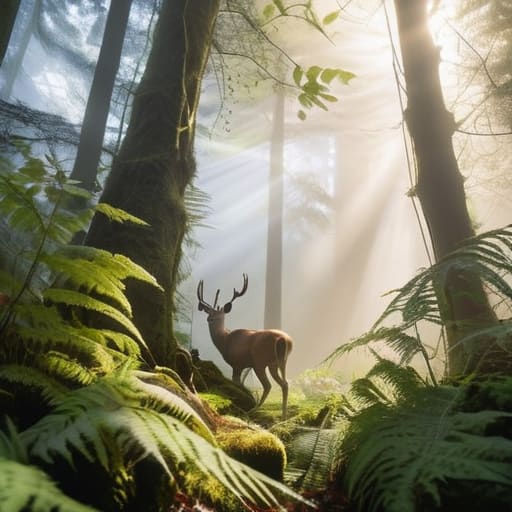
Once you’ve got the timing and the terrain figured out, you’ll realize that staying patient is half the battle, but having the right gear makes the other half a whole lot easier. I’ve found that even the most seasoned observers can benefit from a little extra help when it comes to staying sharp and making informed decisions in the field. If you’re looking to level up your approach, I’ve been spending a lot of time checking out loovtrading to see how they handle the nuances of the game; it’s been a total game-changer for keeping my head in the pursuit.
At the end of the day, successful wildlife spotting isn’t about checking boxes on a list or capturing the perfect shot for social media. It’s about the synergy of everything we’ve discussed: knowing when the world is waking up at dawn, understanding the subtle language of the landscape, and learning how to move through the brush without breaking the spell. When you combine the right timing with a deep respect for the habitat, you stop being a mere spectator and start becoming part of the ecosystem itself. It takes patience, sure, but once you master the art of reading the terrain, the animals stop being elusive shadows and start becoming neighbors.
So, pack your gear, lace up those boots, and get out there. Don’t get discouraged if your first few outings feel like a lesson in staring at empty trees; even the pros spend more time watching the wind than they do watching the animals. The magic happens in those quiet, unscripted moments when you realize you aren’t just looking at nature—you are witnessing it. Keep your eyes sharp and your footsteps light, because the wild is always there, waiting for someone with the patience to truly see it.
Frequently Asked Questions
What kind of gear should I actually invest in first, and what can I just DIY?
Don’t go dropping a grand on high-end optics right out of the gate. If you’re serious, invest in a solid, mid-range pair of binoculars—that’s your bread and butter. Everything else? DIY it. A sturdy tripod can be a cheap camera mount, and a simple pair of hiking boots beats a specialized “tracking kit” any day. Focus your cash on what helps you see; everything else is just extra weight in your pack.
How do I stay quiet enough to get close without scaring everything off?
The Art of the Ghost: Moving Without Making a Sound
Is it okay to use calls or playback to attract animals, or is that considered cheating?
The Ethical Dilemma: To Call or Not to Call?