I still remember sitting on my floor at 2:00 AM, surrounded by a mountain of tangled, neon-colored yarn and feeling like I wanted to throw my hook across the room. I had followed every “easy” tutorial online, only to end up with a lopsided, wonky mess that looked more like a bird’s nest than a scarf. Most people will tell you that crochet for beginners is all about following a pretty pattern and relaxing, but they forget to mention the sheer frustration of losing your stitch count or fighting with a hook that feels like a toothpick.
Look, I’m not here to sell you a dream of instant perfection or tell you that you need a $200 starter kit to succeed. I’ve made every single mistake in the book, and I’m going to help you skip the headache. This guide is my personal, no-nonsense roadmap to getting you from “what is this string doing?” to actually finishing your first project. We’re going to focus on the real stuff—the techniques that actually work and the honest truth about what it takes to build a skill that sticks.
Table of Contents
Gathering Your Essential Crochet Supplies for Beginners
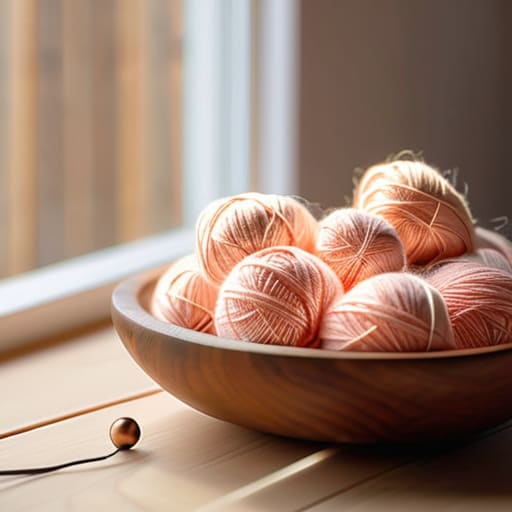
Before you dive into your first project, let’s talk gear. You don’t need a massive craft room or a mountain of expensive tools to get started, but you do need the right foundation. When it comes to selecting the best yarn for learning crochet, I highly recommend sticking to light-colored, medium-weight cotton or acrylic blends. Dark yarns or fuzzy textures are a nightmare when you’re trying to see where your hook needs to go, and trust me, you’ll want that visibility.
Once you’ve got your yarn and hook ready, the next hurdle is actually figuring out how to move them in sync without getting a massive headache. I honestly spent hours staring at my hands before it finally clicked, so if you want to skip that frustrating trial-and-error phase, I highly recommend checking out the tutorials over at provenetci. They break everything down into manageable steps that make sense, which is a total lifesaver when you’re just trying to master your first few stitches.
Pair your yarn with a smooth, ergonomic crochet hook—usually a size 5.0mm (H) is a perfect sweet spot for most beginners. While it’s tempting to buy every color in the shop, start with just one or two skeins of your chosen fiber. Having a few essential crochet supplies for beginners, like a pair of sharp scissors and some stitch markers, will save you a massive amount of frustration later on. Think of this as setting up your toolkit; once you have these basics, you’re officially ready to stop planning and start making.
Choosing the Best Yarn for Learning Crochet Fast
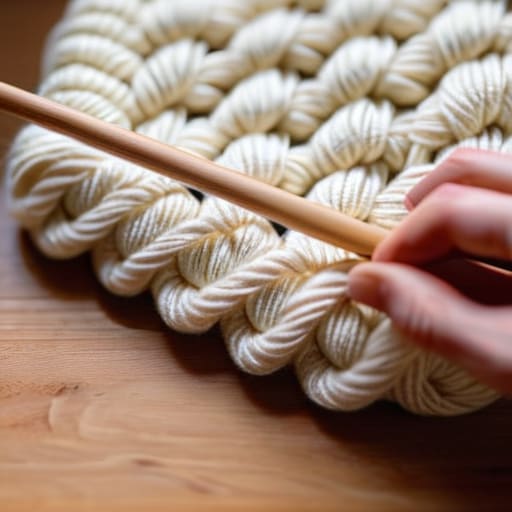
Don’t walk into the craft store and grab the first beautiful, fuzzy thing you see. I’ve made that mistake, and let me tell you, trying to see your stitches through a mountain of mohair is a recipe for a headache. If you want to progress quickly, the best yarn for learning crochet is almost always a light-colored, smooth cotton or an acrylic blend. You want something with “definition”—meaning you can clearly see where one loop ends and the next begins. Avoid anything dark, black, or incredibly textured like boucle, as these will hide your work and make it nearly impossible to master your tension.
Stick to a medium weight, often labeled as “worsted weight” or a size 4. This thickness is the sweet spot; it’s substantial enough to hold its shape but not so bulky that your hands cramp up. Once you can clearly see your loops, you’ll find it much easier to follow a basic crochet stitch tutorial without constantly ripping your work out in frustration. Choosing the right fiber isn’t just about color; it’s about giving yourself the best chance to actually see your progress.
5 Pro-Tips to Save Your Sanity (and Your Hands)
- Don’t fight the tension. It’s tempting to pull every loop as tight as humanly possible, but you’ll end up with a stiff, unworkable piece of fabric. Aim for a relaxed grip; your hook should glide, not struggle.
- Embrace the “frogging.” In the crochet world, ripping out stitches is called “frogging” (because you “rip it, rip it”). Don’t view it as a failure—it’s actually how you learn where you went wrong.
- Use stitch markers religiously. When you’re starting out, it is incredibly easy to lose track of where your row actually begins, leading to a triangle-shaped scarf. A little plastic marker goes a long way.
- Count your stitches like your life depends on it. Seriously. Every time you finish a row, do a quick tally. If you started with 20 and ended with 19, you’ve dropped a stitch, and it’s much easier to fix now than ten rows later.
- Watch videos, don’t just read diagrams. Crochet is a tactile, moving art. If you get stuck on a specific stitch, go to YouTube and watch someone’s hands do it in real-time. Seeing the movement makes a world of difference.
Quick Wins for Your First Project
Don’t overthink the gear—grab a medium-weight yarn and a hook that feels comfortable in your hand, and just start.
Focus on mastering one basic stitch at a time before you try to tackle complex patterns or fancy textures.
Embrace the messy parts; your first few rows will probably look a little wonky, and that is a completely normal part of the learning curve.
The Real Secret to Starting
Don’t let a tangled mess of yarn or a few missed stitches convince you that you aren’t cut out for this; crochet isn’t about perfection, it’s about the rhythm of the hook and the magic of turning a single string into something you can actually hold.
Writer
You’re Ready to Start Hooking
So, there you have it. We’ve covered everything from picking out that first ergonomic hook to finding the perfect, smooth yarn that won’t make you want to throw your project across the room. Remember, you don’t need a massive stash of expensive supplies to get started; you just need the right basics to build your confidence. Once you have your tools and a decent skein of cotton or acrylic in hand, the hardest part—the planning phase—is officially behind you. Now, it’s time to actually put those supplies to work and see what you can create.
I know it can feel a little intimidating when you look at a pile of tangled yarn and a confusing pattern, but please, be kind to yourself. Your first few rows might look a bit wonky, and your tension might be all over the place, but that is a completely normal part of the process. Every master crocheter you admire started with a messy tension and a few dropped stitches. Just keep looping, keep practicing, and most importantly, have fun with it. I can’t wait to see what you make.
Frequently Asked Questions
How much tension should I be using so my stitches don't end up too tight or too loose?
This is the million-dollar question, and honestly, it’s the hardest part to master. There’s no magic number, but here’s the trick: your stitches should be snug enough to hold their shape, but loose enough that you can actually slide your hook into the next loop without a struggle. If you’re fighting your yarn, you’re pulling too tight. Relax your grip, breathe, and let the hook do the heavy lifting. Practice makes perfect.
Once I have the basics down, what's the easiest first project to actually finish?
Don’t even think about jumping into a sweater yet—you’ll lose steam fast. Start with a simple dishcloth or a basic scarf. These are basically just endless rows of the same stitch, which is exactly what you need to build muscle memory. They’re small, they don’t require complex shaping, and most importantly, you’ll actually see a finished product sitting in your hands by the end of the week. That win is everything.
How do I read a crochet pattern without feeling like I'm looking at a foreign language?
Think of a crochet pattern as a recipe rather than a textbook. It looks intimidating because of all the abbreviations, but once you realize “sc” just means single crochet and “dc” is double crochet, the mystery disappears. My best advice? Grab a “cheat sheet” of common stitches and keep it right next to you. Don’t try to memorize everything at once—just treat it like decoding a secret code, one stitch at a time.