I was standing in my kitchen last Tuesday, staring at a mountain of half-empty pasta boxes and three different bags of flour that had somehow migrated to the back of the shelf, when I finally snapped. I realized that most of the “aesthetic” advice you see online about decluttering your pantry is absolute nonsense. You don’t need a $200 set of matching glass canisters or a color-coordinated spice rack to find your salt; you just need to stop treating your food storage like a museum exhibit and start treating it like a functional part of your life.
I’m not here to sell you on a Pinterest-perfect lifestyle that requires a second mortgage. Instead, I’m going to give you the gritty, realistic blueprint for decluttering your pantry that actually works for people with real, messy lives. We’re going to talk about the stuff people usually skip: how to handle the “maybe” items, how to actually purge the expired junk without feeling guilty, and how to set up a system that stays organized long after the initial excitement wears off. No fluff, no expensive gadgets—just straight talk.
Table of Contents
Beyond the Expiration Date Pro Expired Food Disposal Tips
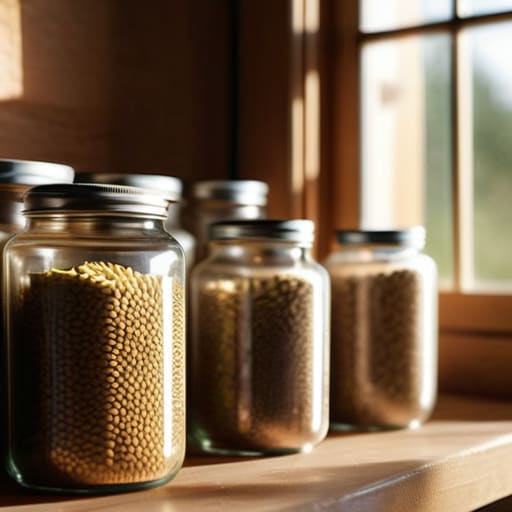
So, you’ve done the hard part. You’ve dragged everything out of the dark corners of your shelves, and now you’re staring at a mountain of questionable cans and dusty boxes. Before you just toss everything into the trash, take a second to breathe. Not everything with a “best by” date is actual poison, but you need to know when to draw the line. If it smells funky, looks fuzzy, or the packaging is bulging, don’t even hesitate—toss it.
When it comes to expired food disposal tips, think about your impact. If you’re dealing with massive amounts of unopened, non-perishable goods that are technically still safe but you just won’t use, consider a local food bank instead. However, if we’re talking about half-empty bags of flour or ancient spices, it’s time to let them go. This is the perfect moment to reset your pantry organization systems from scratch. Once the junk is gone, you can actually start fresh with a clean slate, ensuring that everything left behind is actually worth the space it’s taking up.
Kitchen Cabinet Decluttering Methods That Actually Work
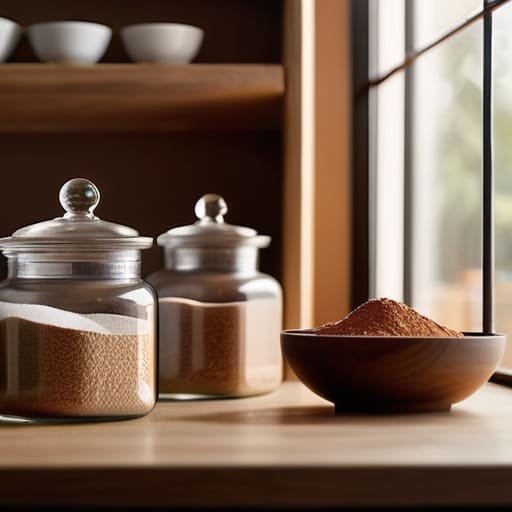
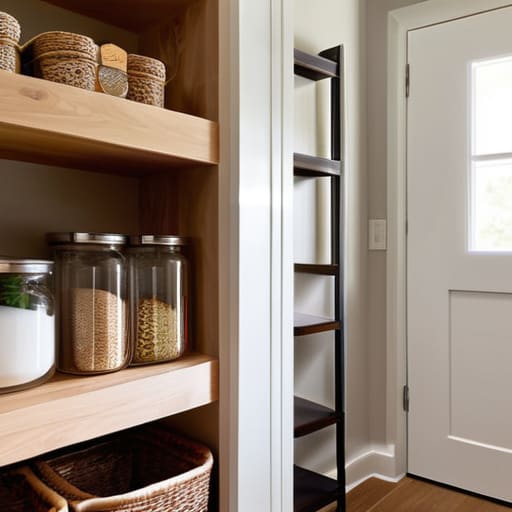
Once you’ve purged the old stuff, it’s time to actually tackle the mess. Most people fail because they try to organize everything at once, but the secret to effective kitchen cabinet decluttering methods is working in zones. Don’t just shove things back in; group your items by how you actually use them. I’m talking about a dedicated “baking corner” or a “quick breakfast” station. When you categorize your goods this way, you aren’t just moving piles around—you’re building a functional pantry organization system that thinks the way your brain does.
If you’re dealing with a cramped apartment, you have to get strategic about maximizing small kitchen storage. This is where the “one-in, one-out” rule becomes your best friend. Stop buying bulk bags of flour if you don’t have the shelf real estate to house them. Instead, invest in clear, stackable bins. Not only does this save massive amounts of space, but it also makes labeling food containers a breeze, so you never have to play detective with a mystery bag of lentils ever again.
Five Real-World Rules to Keep the Chaos at Bay
- Stop the “Just in Case” hoarding. If you have three jars of specialty mustard from a random recipe you made in 2019, let them go. If you haven’t touched it in a year, you aren’t going to use it.
- Group by “vibe,” not just category. Instead of just “cans,” group things by how you actually use them—like a “taco night” bin or a “quick breakfast” zone. It stops the frantic searching when you’re halfway through cooking.
- Use clear containers, but don’t go overboard. Decanting flour and pasta looks pretty, but don’t spend a fortune on matching glass jars for things you only buy once a month. Stick to the high-traffic stuff.
- The “One In, One Out” rule is your best friend. Before you toss a new bulk bag of rice into the pantry, make sure you’ve actually cleared a spot for it. Otherwise, you’re just moving the mess around.
- Label everything—even if you think you’ll remember. Trust me, when you’re tired and it’s 6:00 PM, you won’t remember if that white powder is cornstarch or baking powder. Labels save your sanity (and your dinner).
The Bottom Line: Making it Stick
Don’t just clear the mess; fix the system by grouping similar items together so you actually know what you have before you head to the store.
Be ruthless with your “maybe” items—if you haven’t touched that weird jar of artichoke hearts in six months, it’s time to let it go.
Maintenance beats a massive overhaul every single time, so spend five minutes once a week resetting your shelves instead of waiting for the chaos to return.
The Real Reason We Clutter
“A cluttered pantry isn’t just a mess of half-empty pasta boxes; it’s a mental weight that tells you you’re constantly playing catch-up with your own life.”
Writer
The Finish Line is Just the Beginning
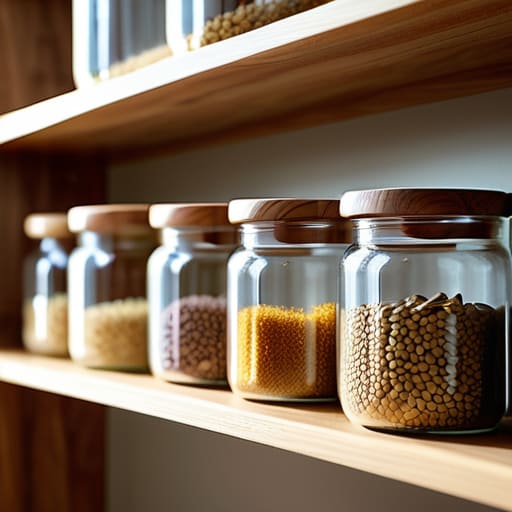
Once you’ve actually cleared the physical space, the real challenge is keeping that mental load from creeping back in. It’s easy to get organized for a weekend and then let everything slide back into chaos by Tuesday. I’ve found that staying on top of these small domestic wins is much easier when you have a bit of a roadmap for managing the overwhelm, which is why I’ve been leaning on theunstressed to help me navigate the rest of my household resets. It’s honestly been a total game-changer for keeping my sanity intact while I tackle these bigger home projects.
Look, we’ve covered a lot of ground today, from the gritty work of tossing those mystery cans from 2019 to finding a cabinet system that doesn’t fall apart the second you put a heavy flour bag in it. We didn’t just talk about cleaning; we talked about actually maintaining a space that works for you instead of against you. Remember, the goal isn’t to have a Pinterest-perfect kitchen that looks like a museum—it’s about having a functional, streamlined pantry where you can actually find the pasta without pulling every single box off the shelf like a frantic game of Tetris.
Now that the chaos has subsided and you can finally see your countertops again, don’t let the momentum die. A decluttered pantry isn’t a one-time event; it’s a lifestyle shift that saves you money, reduces waste, and stops that mid-week “what’s for dinner?” panic in its tracks. Take a second to actually enjoy the breathing room you’ve created. You’ve done the heavy lifting, so take a breath, appreciate the order, and realize that you are officially back in control of your kitchen.
Frequently Asked Questions
What should I actually do with all that half-empty, nearly expired food instead of just tossing it in the trash?
Don’t just dump it. If it’s still safe but you know you won’t eat it, donate it to a local food pantry—just check their rules on opened packages first. If it’s nearing the end, get creative. That half-bag of lentils? Throw it in a soup. That slightly wilted spinach? Blend it into a smoothie. Use it up or pass it on; just don’t let good food become landfill.
How do I stop the clutter from creeping back in two weeks after I've finished organizing?
The “two-week relapse” is real, and it usually happens because your system is too precious to actually use. If you have to move five heavy bins just to grab a bag of chips, you’re going to shove that bag on the counter instead. Stop trying to make your pantry look like a Pinterest board and start making it work for your actual life. Create “low-friction” zones where things can live without a struggle.
Is it worth investing in expensive matching containers, or can I just use what I already have in my cabinets?
Look, I’ll save you the money right now: skip the expensive matching sets. I see people drop hundreds on aesthetic glass jars only to realize they don’t actually need them. If you have old Tupperware, glass jars from pasta sauce, or even just decent bags with clips, use them. The goal is visibility and organization, not a Pinterest photoshoot. Get organized with what you have first; if you still crave the “look” later, then splurge.