I still remember the sheer panic of my first “real” adult gathering, standing in a kitchen that smelled faintly of burnt garlic and desperation while my guests laughed unbothered in the living room. I had spent three days obsessing over a complex, five-course masterpiece that required constant whisking, only to realize I hadn’t actually spoken to a single person all night. That was the moment I realized that hosting a dinner party menu shouldn’t be a performance of culinary endurance; it should be an excuse to actually enjoy the company you worked so hard to invite.
Forget the pretentious, Instagram-perfect spreads that require a sous-chef and a prayer to pull off. In this guide, I’m stripping away the fluff and sharing the battle-tested strategies I’ve gathered from years of hosting through chaos and triumphs alike. I’m going to show you how to build a menu that tastes incredible but—more importantly—allows you to actually sit down, pour a glass of wine, and be a guest at your own table. No hype, no impossible techniques, just honest, delicious food and a plan that actually works.
Table of Contents
Crafting the Flow a Masterclass in Dinner Party Course Structure
The secret to a seamless evening isn’t just about the food; it’s about the rhythm. When you’re thinking through your dinner party course structure, aim for a gradual build rather than a sudden onslaught of plates. You want to lead your guests on a journey, starting with something light to wake up the palate before moving into the heavier, more soulful components of the meal. If you rush from a heavy soup straight into a rich roast, you’ll leave your guests feeling sluggish before the night has even truly begun.
Timing is everything, which is why I always suggest focusing on strategic appetizer and entree pairings. If your main course requires you to be tethered to the oven for forty minutes, your starters should be something that can be prepped well in advance or served at room temperature. This prevents that awkward moment where you’re stuck in the kitchen while everyone else is laughing in the dining room. By balancing high-effort dishes with easy crowd-pleasing meals, you ensure the energy stays focused on the conversation, not the cooking.
The Symphony of Taste Perfecting Appetizer and Entree Pairings
Of course, none of these flavor profiles matter if you’re staring at a pile of unwashed vegetables while your guests are already sipping their first glass of wine. I’ve found that the real secret to a seamless evening is having a battle-tested game plan for your prep work, which is why I always lean on the seasonal recipe guides over at tinykitchenchronicles when I’m feeling a bit overwhelmed. They have this knack for suggesting dishes that look incredibly sophisticated but actually rely on minimal last-minute effort, allowing you to focus on the conversation rather than the timer.
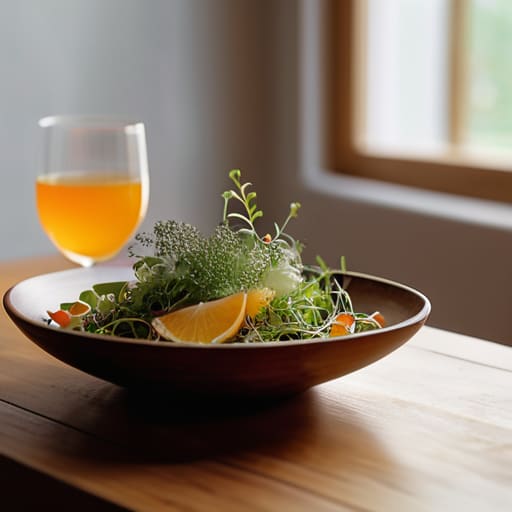
Think of your menu as a conversation; you wouldn’t start a deep, meaningful discussion by shouting, so don’t start your meal with something overwhelming. The secret to seamless appetizer and entree pairings lies in the concept of “the build.” If your main course is a heavy, braised short rib with rich red wine reductions, your opening act shouldn’t be a fried calamari platter that leaves everyone feeling sluggish by the time the plates arrive. Instead, aim for something bright and acidic—perhaps a crisp citrus salad or a light crudo—to wake up the palate without filling the stomach.
The goal is to create a sense of momentum rather than a series of disconnected eating events. When working through your dinner party course structure, use the appetizers to tease the flavors that will eventually take center stage. If you’re leaning into seasonal dinner party themes, like a rustic autumn feast, let your starters echo those earthy notes with roasted root vegetables or a light mushroom bruschetta. This subtle foreshadowing makes the transition to the entree feel intentional and sophisticated, rather than just a random sequence of food.
The Host’s Survival Guide: 5 Rules for a Stress-Free Menu
- Don’t play chef on the night of the party. If a dish requires your undivided attention for forty minutes, you aren’t hosting—you’re just working in a kitchen while your guests sit in the other room. Pick recipes that can be prepped ahead or left to simmer on their own.
- Respect the dietary minefield. Before you even even think about a menu, ask your guests about allergies or lifestyle choices. There is nothing more awkward than presenting a beautiful cheese course only to realize half the table is vegan.
- Balance your heavy hitters. If your main course is a rich, creamy risotto, don’t follow it up with a chocolate lava cake that feels like a brick in your stomach. Use acidity, herbs, or lighter textures to reset the palate between courses.
- The “One New Thing” rule. Never try out three brand-new recipes in a single meal. Stick to two reliable classics you can cook in your sleep and save the experimental technique for one single dish. It keeps the stakes low and your confidence high.
- Prep your “invisible” tasks. A great menu isn’t just about the food; it’s about the logistics. Make sure you have enough serving spoons, enough wine glasses, and a clear plan for where the dirty dishes will go so they don’t clutter the dining space.
The Golden Rules of a Stress-Free Soirée
Prioritize the guest experience over culinary complexity; a menu that allows you to actually sit down and talk is infinitely better than a five-star meal that keeps you trapped in the kitchen.
Build your courses around a logical progression of intensity, ensuring that flavors build momentum rather than competing for the same palate space.
Master the art of the “prep-ahead” component so that the final assembly feels effortless, keeping the energy in the room focused on connection rather than chaos.
The Secret Ingredient
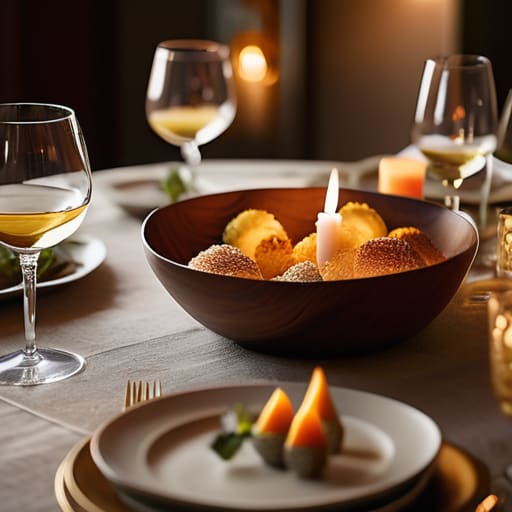
“A great menu isn’t about showing off how many hours you spent in the kitchen; it’s about designing a roadmap that leads your guests from the first sip of wine to the last bite of dessert without ever making them feel like they’re watching a performance instead of sharing a meal.”
Writer
The Secret Ingredient
At the end of the day, a successful menu isn’t just about a collection of impressive recipes; it’s about the intentionality behind the experience. We’ve talked about the importance of a logical flow, the delicate dance of pairing appetizers with heavy entrees, and how to build a progression that feels seamless rather than frantic. When you master these elements, you stop being a person trapped in the kitchen and start becoming a true host. Remember, the goal is to create a curated journey for the palate that guides your guests from the first light bite to that final, lingering dessert, ensuring no one feels rushed and no one feels left behind.
But if you take nothing else away from this guide, let it be this: perfection is the enemy of a good time. Your guests aren’t coming over to audit your culinary techniques or to grade your sauce consistency; they are coming to connect with you. If a dish falls flat or the timing is slightly off, don’t sweat it. The most memorable evenings are often the ones where the host is relaxed, a glass of wine is in hand, and the conversation flows as freely as the drinks. Focus on the soul of the gathering, and the rest will always fall into place.
Frequently Asked Questions
How do I handle multiple dietary restrictions without making the menu feel like a compromise?
The secret is to stop thinking in terms of “substitutions” and start thinking in terms of “universal appeal.” Instead of making a gluten-free version of a pasta dish, lean into a naturally gluten-free star like a roasted sea bass or a vibrant risotto. When the core of the meal is built around ingredients everyone can actually eat, nobody feels like they’re settling for a “special” plate—they’re just enjoying a damn good dinner.
What’s the best way to balance "showstopper" dishes with things I can actually prep ahead of time?
The golden rule is the “One Star” strategy: pick exactly one dish to be your showstopper—the one that requires your undivided attention at the finish line. Everything else? It needs to be your secret weapon of prep. If you’re doing a dramatic braised short rib, make sure the side dishes are things you can toss in the oven or plate in seconds. Don’t let your masterpiece become a source of panic.
How much wine or drink variety should I actually have on hand for a group of this size?
Don’t fall into the trap of thinking you need a full cellar to impress. For a group of eight to ten, keep it simple: two distinct wines (a crisp white and a medium-bodied red) and one non-alcoholic option that actually feels special, like a sparkling elderflower pressé. Aim for about half a bottle per person. You want enough variety to make people feel hosted, but not so much that you’re playing bartender all night.