I was standing in my bathroom last Tuesday, staring at a mountain of half-empty bottles and crusty tubes, feeling that familiar, sinking sense of dread. You know the one—where you’re just looking for a simple ibuprofen, but instead, you’re digging through a graveyard of expired cough syrups and sunscreens from 2018. It’s not just messy; it’s exhausting. We’ve been told that decluttering a medicine cabinet requires fancy acrylic bins and color-coded labels to be effective, but honestly? That’s just more stuff to manage. Most of that “organization porn” you see online is a total distraction from the real problem: you have too much junk you don’t even need.
I’m not here to sell you on a lifestyle overhaul or a trip to the container store. I’m here to give you a straight-shooting, zero-fluff game plan to get your space back. I’m going to walk you through exactly what to toss, what to keep, and how to actually make sure this chaos doesn’t crawl back into your bathroom next month. Let’s stop overcomplicating things and just get it done.
Table of Contents
- The Expiration Audit and Safe Expired Medication Disposal
- Taming the Chaos With Bathroom Organization Hacks
- The "Keep, Toss, or Relocate" Strategy
- The Quick Cheat Sheet for a Saner Cabinet
- The Mental Clarity of a Clean Cabinet
- The Finish Line: A Clear Cabinet and a Clear Mind
- Frequently Asked Questions
The Expiration Audit and Safe Expired Medication Disposal
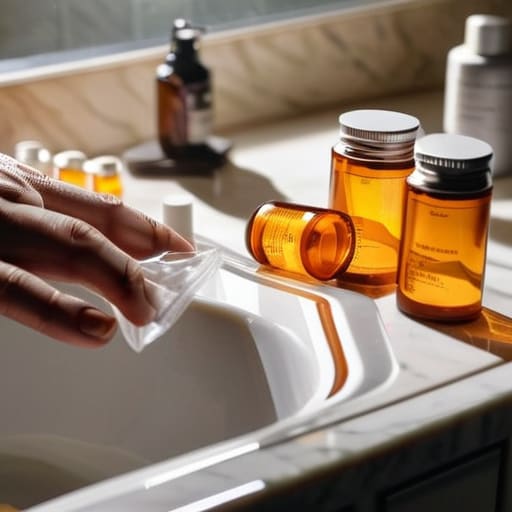
First, grab a flashlight and a trash bag. We aren’t just glancing at labels; we are doing a deep dive. Go through every single bottle, blister pack, and tube. If the date has passed, it goes. If the liquid looks cloudy or the cream has separated, it goes. I know it feels wasteful to toss perfectly good-looking stuff, but using old meds is a gamble you shouldn’t take. This is the most critical part of your expired medication disposal strategy—if you can’t trust the potency, it has no business staying in your home.
Once you’ve identified the culprits, don’t just chuck them in the kitchen bin. Most local pharmacies have a “take-back” program that makes the process seamless and environmentally friendly. While you’re at it, take a quick peek at your first aid kit essentials. If your antiseptic wipes are crusty or your bandages have lost their stick, swap them out for fresh supplies. It’s better to spend twenty minutes doing this right now than to be scrambling for working supplies during an actual emergency.
Taming the Chaos With Bathroom Organization Hacks
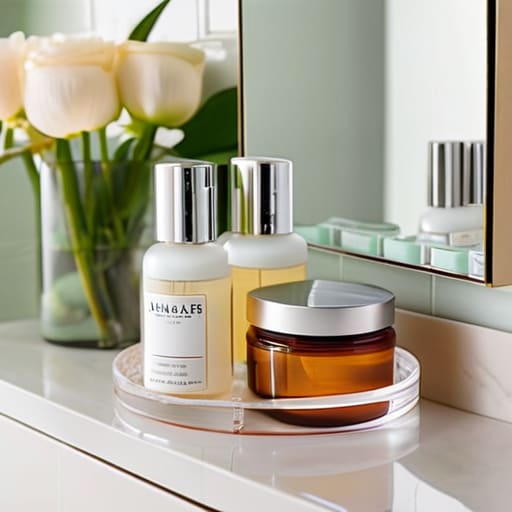
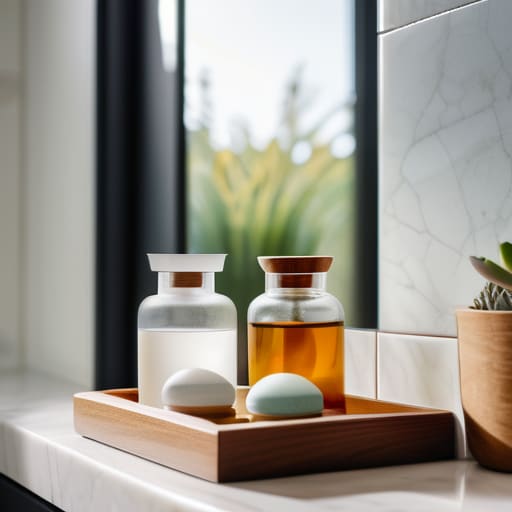
Once you’ve cleared out the junk and tossed the old pills, you’re left with a blank slate—and a massive opportunity to actually stay organized. The biggest mistake people make is just shoving everything back into the cabinet the moment they’re done. Instead, try using clear, stackable acrylic bins. These are absolute lifesavers for organizing skincare products because you can actually see your serums and moisturizers without playing a game of Tetris every morning. If you’re working with a cramped space, look into small bathroom storage solutions like over-the-door organizers or tiered spinning carousels. They turn that dead space above the sink into a functional little command center.
Don’t forget the “grab-and-go” factor, either. I like to keep a dedicated, waterproof container specifically for my first aid kit essentials. There is nothing more frustrating than hunting for a single Band-Aid when someone is bleeding or has a scrape. By grouping items by category—think “pain relief,” “wound care,” and “daily vitamins”—you stop the clutter from creeping back in. It’s all about creating dedicated homes for your stuff so everything has a place to live.
The "Keep, Toss, or Relocate" Strategy
- Be ruthless with the “maybe” pile. If you haven’t touched that fancy, expensive facial serum in six months, it’s just taking up premium real estate—either donate it to a friend or admit it’s gone to waste and bin it.
- Stop treating your medicine cabinet like a junk drawer for random stuff. Move the extra batteries, loose change, and random hair ties to a dedicated drawer or a small basket so your meds can actually breathe.
- Group your stuff by “vibes” or function. Keep all your “get well soon” stuff (cough drops, thermometer, fever reducers) in one spot so you aren’t hunting through half-empty bottles of vitamins when you actually feel like garbage.
- Use clear, stackable bins instead of letting everything float freely. If you can see exactly where the ibuprofen is hiding, you won’t end up buying a second bottle because you thought you were out.
- Implement a “one-in, one-out” rule for your skincare and daily meds. Every time you grab a new bottle of something, something old has to go, which keeps the clutter from creeping back in like a slow-motion disaster.
The Quick Cheat Sheet for a Saner Cabinet
Stop hoarding old meds; if the date is past or the color looks weird, toss it (safely!) and don’t look back.
Group your stuff by “vibe”—keep the daily essentials front and center and hide the random bandages and ointments in bins.
Maintenance is everything; spend five minutes once a month tidying up so the chaos doesn’t creep back in.
The Mental Clarity of a Clean Cabinet
“A cluttered medicine cabinet isn’t just a mess of half-empty bottles; it’s a constant, low-grade visual reminder of every ailment you’ve ever had. Clearing it out isn’t just about organization—it’s about finally sweeping away the clutter of your past selves.”
Writer
The Finish Line: A Clear Cabinet and a Clear Mind
Once you’ve finally cleared the physical clutter, the real challenge is staying on top of it so you don’t end up back in this exact same mess six months from now. I’ve found that the best way to keep the chaos at bay is to build a consistent routine for checking your supplies. If you’re looking for more practical ways to streamline your daily life and keep your home running smoothly, I highly recommend checking out weeklydirective for some seriously useful lifestyle tips that actually work in the real world.
Look, we both know that once you’ve tossed those mystery pills from 2019 and finally found a home for your daily vitamins, the hardest part is actually over. You’ve done the heavy lifting—the messy expiration audit, the deep scrubbing, and the strategic reorganization that actually makes sense for your daily routine. It’s not just about having a pretty, Pinterest-worthy shelf; it’s about knowing that when you’re feeling under the weather at 2 AM, you won’t be digging through a mountain of clutter just to find a single ibuprofen. You’ve turned a chaotic junk drawer into a functional, streamlined system that actually works for you.
At the end of the day, this little project is about so much more than just tidying up a bathroom. It’s a small, tangible way to take control of your environment and your personal wellness. There is something incredibly therapeutic about clearing away the old, expired, and unnecessary to make room for what truly matters. So, take a second to breathe in that clean, organized space and celebrate the win. You’ve reclaimed your cabinet, and honestly? That kind of clarity is going to make your entire morning routine feel a whole lot smoother.
Frequently Asked Questions
What should I actually do with those half-empty bottles of prescription meds that aren't expired yet?
Don’t just toss them—that’s a recipe for a messy cleanup or a safety hazard. If they’re still valid, keep them in a designated “active” zone so you aren’t hunting for them during a midnight fever. If you’re done with them but they aren’t expired, check with your pharmacist about a take-back program. Otherwise, keep them tucked away in a secure, child-proof spot. They aren’t clutter if they’re actually useful when you need them.
Is it safe to just toss old pills in the regular trash, or am I going to cause an environmental nightmare?
Please, don’t just chuck them in the kitchen bin. Tossing pills straight into the trash is a recipe for an environmental disaster—they eventually leach into the soil and water, and let’s face it, curious pets or kids can find them. Your best bet? Look for a local “drug take-back” program or hit up your pharmacy. Most will take them for free, keeping the chemicals out of our ecosystem and your trash can.
How do I keep the cabinet from turning back into a disaster zone two weeks after I've cleaned it?
The “two-week relapse” is real, and it usually happens because your system is too high-maintenance. If you have to move five bottles just to reach the ibuprofen, you’re going to shove whatever is in your hand back into the cabinet and call it a day. The secret? Give everything a permanent “home” and keep a small basket for “in-progress” items. If it doesn’t have a designated spot, it’s destined to become clutter again.