I used to think that if I didn’t have a printed card with exact gram measurements and a list of specialized spices, I was basically a fraud in the kitchen. I spent years staring at a half-empty fridge, feeling like a failure because I couldn’t follow a “gourmet” instruction manual to the letter. But here’s the truth that those overly polished cooking shows won’t tell you: improvising recipes isn’t some mystical talent reserved for chefs with three Michelin stars; it’s just a series of logical pivots. Once you stop treating a recipe like a holy text and start seeing it as a suggestion, the kitchen stops being a place of stress and starts being a playground.
Of course, none of this intuition matters if your kitchen setup is a chaotic mess, because it’s hard to feel creative when you’re digging through a junk drawer for a decent knife. I’ve found that having a curated workspace makes the mental leap from “what do I have?” to “what can I make?” so much easier. If you’re looking to overhaul your setup, I’ve been leaning on belladesign lately to find pieces that actually balance functionality with style, helping me turn my kitchen from a stressful chore zone into a space where I actually want to experiment.
Table of Contents
I’m not here to give you some lofty, theoretical lecture on culinary chemistry or tell you to go buy a $200 set of Japanese knives. Instead, I’m going to show you how to look at the random assortment of leftovers in your crisper drawer and turn them into something that actually tastes good. We’re going to focus on the practical logic of flavor, salt, and acid so you can cook with confidence even when your grocery list fails you. No fluff, no expensive equipment—just real ways to cook without a script.
Mastering Flavor Combinations Through Culinary Intuition Techniques
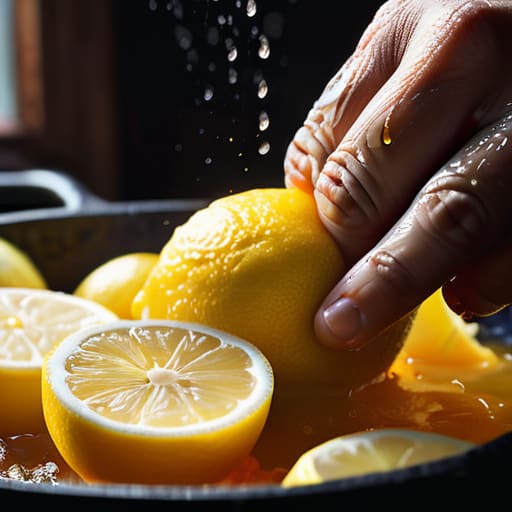
Stop thinking in terms of measurements and start thinking in terms of energy. When you’re deep in the weeds of a dish, you shouldn’t be reaching for a measuring spoon; you should be reaching for your senses. Mastering flavor combinations isn’t some mystical gift bestowed upon a select few; it’s really just the process of learning how acid, fat, salt, and heat play together in a pan. If a sauce feels heavy or “flat,” don’t just add more salt—that’s the amateur trap. Instead, reach for a squeeze of lemon or a splash of vinegar. That hit of acidity cuts through the richness and wakes everything up.
The real secret to building these culinary intuition techniques is constant, tiny tasting sessions. Taste your food at the beginning, the middle, and the end. You’ll start to notice how a pinch of cumin shifts the profile from earthy to bright, or how a dash of soy sauce adds a depth that salt alone can’t touch. Once you stop following the script and start listening to the pan, you’ll realize that every ingredient is just a tool for balance.
The Ultimate Substitution Guide for Cooking on the Fly
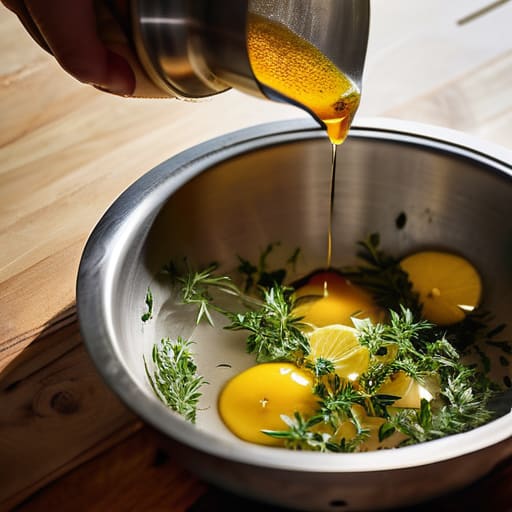
Look, we’ve all been there: you’re halfway through a recipe and realize the one thing holding the whole dish together—that specific citrus or that particular herb—is nowhere to be found. Instead of pivoting to a delivery app, treat this as a chance to practice your substitution guide for cooking in real-time. If a recipe calls for lemon juice to add brightness, grab some apple cider vinegar or even a splash of white wine. The goal isn’t to replicate the original ingredient perfectly; it’s about identifying the function it serves, whether that’s acidity, fat, or heat, and finding a logical replacement.
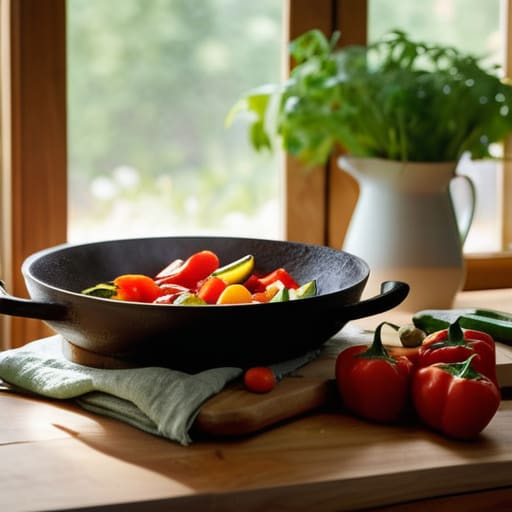
When you’re cooking with leftover ingredients or whatever happens to be lurking in the back of the crisper drawer, the secret lies in the “vibe” of the dish. If you’re missing heavy cream for a pasta sauce, a dollop of Greek yogurt or even a bit of starchy pasta water can bridge the gap. Don’t overthink the science; just focus on maintaining the texture and ensuring the soul of the meal stays intact.
Five Ways to Stop Panicking When the Pantry Looks Empty
- Build a “flavor base” before you even touch the main ingredients. If you’ve got garlic, onions, or ginger hitting hot oil, you’re already halfway to a decent meal regardless of what protein you eventually throw in the pan.
- Learn the acid trick. If a dish tastes “flat” or boring and you’ve already added salt, don’t reach for more salt—reach for a squeeze of lemon or a splash of vinegar. It wakes everything up instantly.
- Treat your pantry like a toolkit, not a set of instructions. A can of chickpeas isn’t just a side dish; it’s a texture booster for a stew or a quick protein for a salad when the fridge is looking sad.
- Trust your nose more than your eyes. If you’re simmering something and it starts smelling heavy or dull, it’s probably missing a bright herb or a hit of spice. Follow the scent, not the timer.
- Embrace the “ugly” stage. Every improvised meal goes through a phase where it looks like a chaotic mess in the pot. Don’t panic and start over; just keep tasting and adjusting until the flavors find their rhythm.
The Cheat Sheet for Kitchen Freedom
Stop treating recipes like law and start treating them like suggestions; the goal is a delicious meal, not a perfect replica.
Build a mental library of “flavor families”—once you understand how acid, fat, and salt dance together, you can fix almost any dish on the fly.
Trust your pantry over your grocery list by learning which staples can swap roles when you realize you’re missing a key ingredient.
## The Kitchen Manifesto
“A recipe is just a suggestion, not a contract. The best meals don’t come from following a script; they come from that split second where you stop reading and start listening to what’s actually in the pan.”
Writer
Trust Your Gut
At the end of the day, improvising isn’t about memorizing a massive encyclopedia of food pairings or keeping a perfectly stocked pantry. It’s about understanding the core mechanics—knowing how a splash of acid can rescue a heavy sauce, or how a quick swap of dried herbs for fresh ones can change the entire vibe of a dish. You’ve learned how to lean into your intuition and how to navigate the pantry like a pro, turning what could have been a kitchen crisis into a creative breakthrough. Once you stop viewing a missing ingredient as a roadblock and start seeing it as a pivot point, the kitchen stops being a place of rigid rules and starts being your personal playground.
So, the next time you find yourself staring at a random assortment of vegetables and a half-empty jar of spices, don’t reach for your phone to find a recipe. Instead, take a breath, grab a tasting spoon, and just start cooking. The best meals you’ll ever eat probably won’t come from a glossy cookbook or a perfectly scripted tutorial; they’ll come from that moment when you finally decide to trust your own palate. Go ahead—make a mess, taste as you go, and enjoy the delicious chaos of creating something entirely your own.
Frequently Asked Questions
How do I know if a weird ingredient pairing is actually going to taste good or just be a disaster?
Trust your gut, but test with your tongue. Before you dump a whole jar of something funky into the pot, grab a small bowl and play scientist. Mix a tiny bit of the “weird” ingredient with your base component. If it hits a high note or creates a weirdly satisfying tension, you’re golden. If it tastes like a mistake? Well, now you’ve only wasted a teaspoon instead of the whole dinner.
What’s the best way to save a dish if I realize halfway through that I’ve gone in the wrong direction?
Stop, breathe, and don’t throw it out just yet. First, figure out the “why”: is it too salty, too acidic, or just plain bland? If it’s a salt bomb, reach for a starch or a splash of cream to dilute it. If it’s too bitter, a tiny bit of sugar or acid can pivot the profile. Most of the time, you don’t need a new recipe—you just need a counterweight.
Is there a specific "logic" to balancing flavors, or am I just guessing until it tastes right?
It feels like guessing, but there’s actually a framework underneath the chaos. Think of it as a balancing act between five pillars: salt, fat, acid, heat, and sweet. If a dish feels “flat,” it usually needs acid (a squeeze of lime) or salt to wake it up. If it’s too sharp, a touch of fat or sugar can round off those jagged edges. You aren’t guessing; you’re just fine-tuning the equilibrium.