I’m so sick of these “budget gurus” telling you that you need a $500 pantry restock and a dozen aesthetic glass jars just to survive the week. Honestly, if you follow that kind of advice, you’ll be broke before you even get to the checkout line. Real eating on a budget isn’t about performing for Instagram or buying expensive organic superfoods that cost more than your rent; it’s about the gritty, unglamorous reality of making a bag of lentils and some seasonal veggies taste like a damn feast.
I’m not here to sell you on some complicated lifestyle overhaul or a list of “must-have” kitchen gadgets you don’t need. Instead, I’m going to give you the straight-up truth about how I actually feed myself without draining my bank account every time I walk through the sliding doors of a grocery store. We’re going to skip the fluff and focus on the practical, battle-tested tactics that actually work when you’re staring at a dwindling balance. Consider this your no-nonsense guide to eating well without the financial heartbreak.
Table of Contents
Mastering Meal Prepping for Beginners and Busy Lives
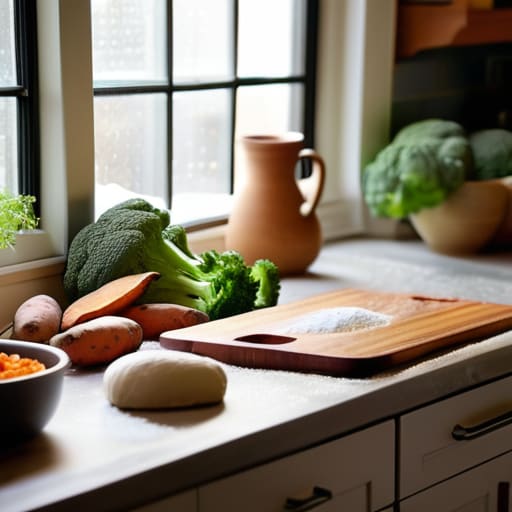
Look, I get it. The idea of spending your entire Sunday hovering over a stove sounds like a special kind of torture. But here’s the truth: if you don’t have a plan, you’re going to end up staring blankly into a fridge full of random ingredients at 6:00 PM, eventually giving in to the expensive, greasy siren call of takeout. Meal prepping for beginners isn’t about those overly aesthetic, plastic-container Instagram feeds; it’s just about making your future self a little less stressed.
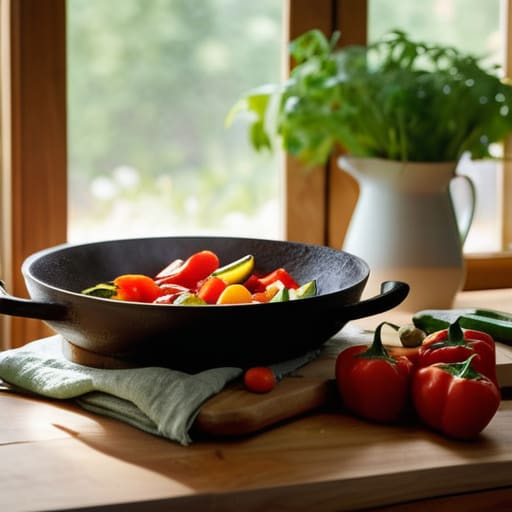
Start small by focusing on versatile building blocks rather than complex recipes. Instead of cooking five different meals, roast a massive tray of veggies and a large batch of grains. These act as your pantry staple essentials that you can mix and match all week. By prepping these components in advance, you’re not just saving time—you’re actively reducing food waste because you’re actually using what you bought instead of letting it wilt in the crisper drawer. It’s about working smarter, not harder.
Building Your Arsenal of Pantry Staple Essentials
Once you’ve got those pantry staples lined up, the next real hurdle is actually deciding what to do with them so you don’t end up staring blankly at a can of chickpeas at 6:00 PM. I’ve found that the secret to staying on track isn’t just having the ingredients, but having a reliable system to keep your grocery runs focused. If you’re feeling a bit overwhelmed by the logistics of organizing your life and your budget, checking out synchronicityllc can be a total game-changer for getting your household routines dialed in. It’s much easier to eat well when you aren’t constantly fighting against a chaotic schedule.
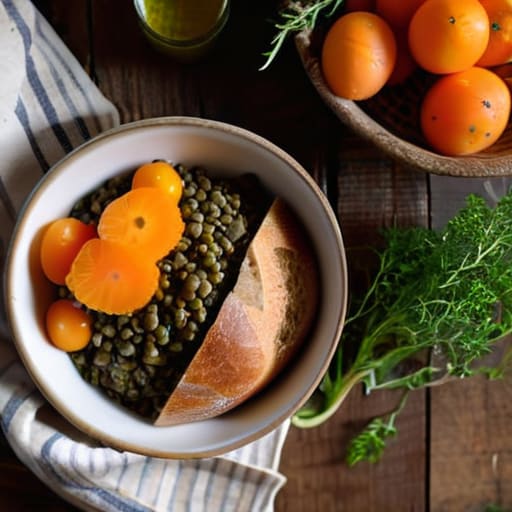
Think of your pantry as your financial safety net. When you have a well-stocked collection of pantry staple essentials, the temptation to order takeout on a Tuesday night because you “have nothing to eat” virtually disappears. I’m not talking about hoarding expensive specialty spices, either. I’m talking about the heavy hitters: dried lentils, brown rice, canned beans, oats, and pasta. These are the foundation of almost every cheap, filling meal you’ll ever make.
The real magic happens when you pair these long-lasting goods with smart bulk buying strategies. Buying a massive bag of quinoa or a five-pound sack of rice might feel like a bigger hit to your wallet upfront, but the cost per serving drops significantly. It’s much easier to build a nutritious meal when you aren’t constantly running to the store for single-serving items. Plus, having these items on hand is the ultimate secret to reducing food waste; you can always toss a handful of frozen veggies or a tin of chickpeas into a grain bowl to turn leftovers into something actually delicious.
The Scrimper’s Secret Weapons: 5 Hacks to Slash Your Food Bill
- Stop treating grocery shopping like a casual stroll. If you walk into a store without a list, you’re basically handing your hard-earned cash to the manager. Stick to the plan, stay in your lane, and ignore the impulse buys at the checkout line.
- Embrace the frozen aisle. Fresh produce is great until it turns into a science experiment in your crisper drawer. Frozen veggies are just as nutritious, they last way longer, and they won’t break the bank when seasonal prices spike.
- Learn to love the “ugly” cuts of meat. If you’re only buying chicken breasts and steak, you’re paying a premium for convenience. Grab the bone-in thighs or the chuck roast; they’re cheaper, more flavorful, and perfect for slow cooking.
- Shop the perimeter and ignore the middle aisles. The center of the store is a minefield of overpriced, processed junk that’s designed to make you hungry. Stick to the edges where the real, whole foods live.
- Master the art of the “repurposed” meal. Don’t cook once and call it a day. That roasted chicken from Sunday? That’s taco filling on Monday and chicken salad on Tuesday. Stop treating every meal like a brand-new production.
The Bottom Line for Your Wallet
Stop treating your grocery trips like a scavenger hunt; if you don’t have a plan and a stocked pantry before you walk through those sliding doors, you’re basically just donating money to the supermarket.
Meal prepping isn’t about spending your entire Sunday in a kitchen trance—it’s about making small, strategic wins during the week so you aren’t forced to order expensive takeout when you’re exhausted.
Focus on the fundamentals by building a foundation of versatile staples that can be transformed into a dozen different meals, rather than chasing expensive, single-use ingredients.
The Golden Rule of the Grocery Aisle
“Eating well on a budget isn’t about deprivation or living on instant noodles; it’s about being smarter than the marketing tricks designed to make you spend money you don’t have.”
Writer
The Bottom Line
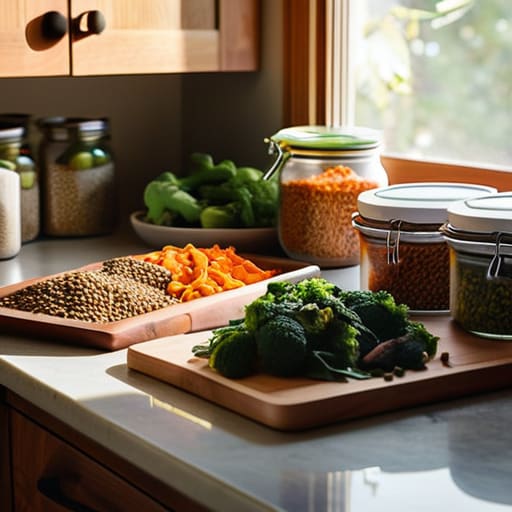
At the end of the day, eating well on a budget isn’t about deprivation or living on nothing but instant noodles. It’s about being intentional with every dollar you spend. By mastering the art of the meal prep, you’re essentially buying yourself time and preventing those expensive, last-minute takeout orders that wreck your bank account. When you combine that discipline with a rock-solid pantry full of versatile staples, you create a safety net that makes cooking feel less like a chore and more like a strategic win. It’s all about working the system, not against it.
Don’t feel like you have to overhaul your entire kitchen overnight. Start small—maybe just one extra pantry staple or one successful Sunday prep session—and build from there. The goal isn’t perfection; it’s sustainable progress. There is a massive sense of freedom that comes from knowing you can whip up a delicious, nourishing meal without checking your balance first. You’ve got the tools, you’ve got the blueprint, and now it’s time to get in the kitchen and make it happen. You’ve totally got this.
Frequently Asked Questions
How do I actually stay motivated to cook at home when I'm exhausted after a long workday?
Look, I get it. You walk through the door, your brain is fried, and the takeout app is staring you in the face like a siren song. On those nights, don’t aim for a gourmet three-course meal. Aim for “survival mode” wins. Keep a frozen pizza or a bag of pre-washed salad in the fridge. If you lower the bar to “something edible and cheap,” you’ll actually do it instead of hitting order on UberEats.
Is it really cheaper to buy in bulk, or am I just spending more money upfront on stuff I might not use?
It’s a double-edged sword. Buying in bulk is a massive win for non-perishables you use daily—think rice, beans, or frozen veggies. That’s where you see the real savings. But if you’re grabbing a giant tub of specialty seasoning or a massive bag of kale just because it’s “cheap,” you’re actually just subsidizing your future trash can. Stick to the staples you know you’ll crush, and avoid the “bulk trap” of niche items.
What are some ways to eat healthy on a budget without constantly relying on the same five cheap meals?
The secret is learning to cook with “modular” ingredients rather than fixed recipes. Instead of making the same chili every Monday, keep a rotation of versatile bases like lentils, grains, or roasted veggies. Swap your proteins—use chickpeas one night, eggs the next, and canned tuna the third. If you master a few basic flavor profiles, like a spicy lime crema or a savory soy-ginger glaze, you can turn the same handful of cheap staples into entirely different worlds.