I still remember the chaos of three years ago: standing in a kitchen that felt two sizes too small, staring at a mountain of unwashed dishes and a turkey that was somehow both frozen in the middle and burnt on the outside. I was sweating, stressed, and completely defeated by my own attempt at holiday meal planning. I had followed every “Pinterest-perfect” tutorial online, only to realize that those glossy photos don’t account for the sheer exhaustion of trying to coordinate five different side dishes while your relatives hover in the doorway.
Look, I’m not here to sell you on a twelve-step gourmet extravaganza that requires a sous-chef and a prayer. I’m here to give you the real, unvarnished truth about how to actually pull this off without losing your sanity. We are going to strip away the fluff and focus on practical, battle-tested strategies that prioritize your peace of mind over perfection. By the time we’re done, you’ll have a roadmap for your holiday meal planning that ensures you actually get to sit down and eat with your family, rather than just surviving the aftermath.
Table of Contents
The Secret Rhythm of a Perfect Holiday Food Prep Timeline
If you try to tackle everything on December 24th, you’re going to end up exhausted, covered in flour, and missing half the fun. The real trick to a successful spread isn’t about being a culinary genius; it’s about mastering your holiday food prep timeline well before the guests arrive. Think of it like a conductor leading an orchestra—you need to know exactly when the heavy lifting happens so everything hits the table at the right moment.
Start by working backward from your dinner time. A week out, focus on the heavy lifting like batch cooking for large groups—think sauces, stocks, or even certain sides that actually taste better after sitting for a day or two. A few days before, tackle your chopping and prepping. By the time the big day arrives, your kitchen should be a zone of assembly rather than a battlefield of raw ingredients. This rhythmic approach turns a chaotic scramble into a controlled, enjoyable process, allowing you to actually sit down and enjoy the magic you’ve created.
Batch Cooking for Large Groups Without the Kitchen Meltdown
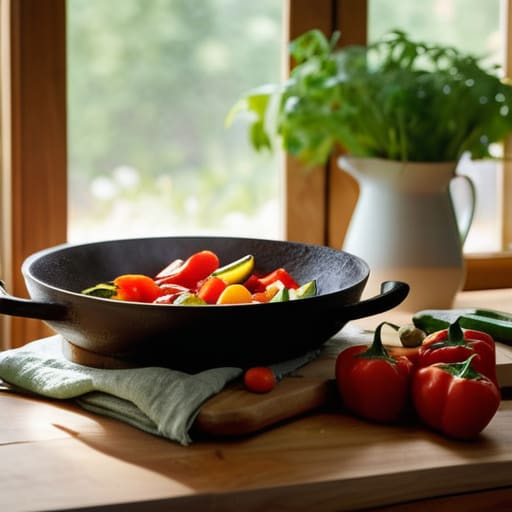
The biggest mistake people make when feeding a crowd is trying to cook everything fresh on the day of the event. That is a recipe for disaster. Instead, lean into the power of batch cooking for large groups by identifying which components can be made days in advance. Think about your sauces, stews, or even roasted root vegetables. If you can prep them early, you’re essentially “borrowing” time from your future self, allowing you to focus on the finishing touches rather than staring down a mountain of raw ingredients when guests are already knocking at the door.
If you’re feeling a bit overwhelmed by the sheer logistics of it all, I always suggest looking for ways to streamline your decision-making before the chaos even begins. I actually found some incredibly helpful seasonal kitchen hacks and organization tips over at curiousreport that helped me realize I didn’t need to do everything from scratch to make it feel special. Taking a moment to audit your pantry and tools ahead of time can be the difference between a smooth service and a complete kitchen disaster.
When you’re navigating the complexities of dietary restriction meal planning, batch cooking becomes even more vital. Instead of making three separate tiny dishes for your vegan or gluten-free guests, create large, versatile bases that everyone can enjoy. This approach keeps your workflow streamlined and prevents that frantic, last-minute scramble to find a clean pan. By prepping these foundational elements ahead of time, you ensure that the kitchen remains a place of celebration rather than a zone of high-stress culinary chaos.
Five Survival Hacks to Keep Your Sanity (and Your Food) Intact
- Audit your pantry before you hit the grocery store. There is nothing worse than buying a third jar of expensive spices or a redundant bag of flour only to realize you already had them hiding in the back of the cupboard.
- Don’t be a hero with the oven space. If your menu requires three different dishes to be roasted at 400 degrees simultaneously, you’ve already lost the battle; pick one heavy hitter for the oven and keep the rest on the stovetop or slow cooker.
- Lean heavily on your “make-ahead” arsenal. Anything that can be made a day early—like cranberry sauce, gravy, or even certain vegetable stocks—should be finished and tucked in the fridge so you can focus on the fresh stuff on the big day.
- Delegate like a pro. When guests ask, “What can I bring?”, don’t just say “nothing”—give them a specific task, like a bottle of wine, a bag of ice, or a specific side dish, to take the mental load off your plate.
- Embrace the “semi-homemade” shortcut. Nobody is going to judge you for buying high-quality, pre-made rolls or a store-bought pie if it means you actually get to sit down and enjoy the meal with your family.
The Holiday Survival Cheat Sheet
Work backward from your dinner time to build a realistic timeline, giving yourself way more breathing room than you think you’ll need.
Lean heavily on batch cooking and make-ahead recipes to keep your stovetop clear and your stress levels low when the guests finally arrive.
Focus on the flow of the meal rather than just the individual dishes; a well-timed kitchen rhythm is what actually makes a host feel relaxed.
The Golden Rule of the Kitchen
“The goal isn’t to spend your entire holiday hovering over a stove; it’s to do the heavy lifting in the quiet moments before the guests arrive, so you can actually sit down and enjoy the feast you worked so hard to create.”
Writer
Bringing it All Home
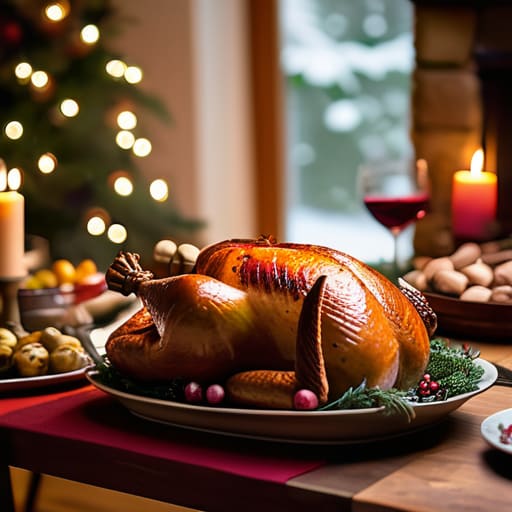
At the end of the day, mastering your holiday meal isn’t about achieving some impossible standard of culinary perfection; it’s about the systems you put in place to protect your sanity. By sticking to a strategic prep timeline and leaning heavily into the magic of batch cooking, you effectively strip away the chaos that usually defines the season. You’ve moved from being a frantic cook drowning in dishes to a disciplined host who actually has a handle on the oven. Remember, the goal of all this planning is to ensure that when the turkey finally hits the table, you aren’t too exhausted to actually enjoy the meal you worked so hard to create.
Ultimately, the most important ingredient in any holiday spread isn’t a rare spice or a complex technique—it’s your presence. When you control the kitchen instead of letting the kitchen control you, you free yourself up to be the person your guests actually came to see. Don’t let the pursuit of a flawless menu rob you of the genuine connection that makes these gatherings worth it in the first place. Take a deep breath, pour yourself a glass of something festive, and remember that even if a side dish is a little late or the gravy is a bit thin, the warmth in the room is what people will actually take home with them.
Frequently Asked Questions
How do I figure out exactly how much food to buy so I don't end up with a mountain of leftovers or, even worse, hungry guests?
The Golden Rule of Quantities: Stop guessing and start mathing. A good baseline is one pound of meat per person, but if you’re serving heavy sides like mac and cheese, you can scale that back. For everything else, aim for about 4–6 ounces per guest. Pro tip: always over-index on the “crowd pleasers”—like rolls or mashed potatoes—and under-index on the niche, experimental dishes that people usually just sample.
What are some easy ways to accommodate picky eaters or dietary restrictions without making three different versions of every single dish?
Stop trying to cook three separate meals; you’ll end up exhausted and alone at the table. Instead, go “deconstructed.” Serve your main components separately—think bowls of roasted veggies, proteins, and grains. This allows the picky eater to skip the onions and the gluten-free guest to pile on the potatoes without you sweating. When the menu is modular, everyone builds their own perfect plate, and you only cook one cohesive meal.
Is it actually possible to prep most of the heavy lifting a few days in advance, or am I going to be stuck at the stove the entire time?
Believe me, I’ve been there—standing over a steaming pot at 11 PM while everyone else is asleep. It’s exhausting. But yes, you absolutely can do the heavy lifting early. If you tackle your chopping, sauces, and even some roasting a few days out, you aren’t “prepping” on the big day—you’re just assembling. Aim to have 70% of the work done before the guests even knock. Your sanity will thank you.