I still remember the exact moment I realized I was losing the game: standing in front of a closet bursting with “trendy” clothes, yet feeling like I had absolutely nothing worth wearing. I had spent a small fortune on seasonal micro-trends that looked decent for a week before the seams started fraying or the fabric turned into a sad, pill-covered mess. It was a cycle of mindless consumption that left me both broke and bored. I finally had to accept that true style isn’t about having a massive wardrobe; it’s about the strategic acquisition of investment pieces that actually command respect and stand the test of time.
I’m not here to sell you on some overpriced, designer-label cult or tell you that you need a massive budget to dress well. Instead, I’m going to give you the no-nonsense blueprint for building a collection that lasts. We’re going to skip the hype and focus on quality, construction, and versatility. I’ll share exactly what is worth your hard-earned money and, more importantly, what is just expensive garbage masquerading as luxury. Let’s stop playing the trend cycle game and start investing in yourself.
Table of Contents
Mastering Quality Fabric Identification for Longevity
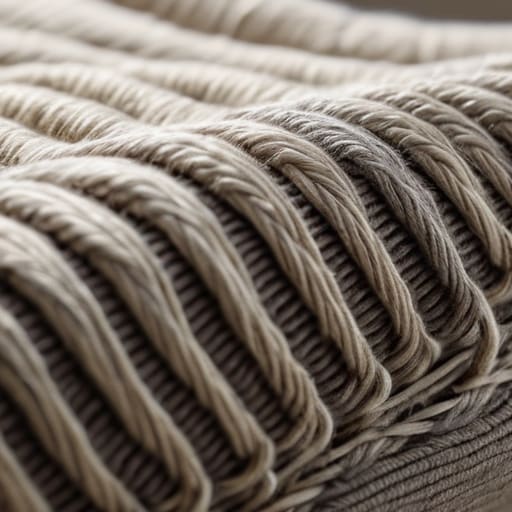
You can’t build a lasting wardrobe if your clothes start pilling or losing their shape after three washes. The secret isn’t in the brand name on the tag, but in the fiber composition. When you’re out shopping, skip the polyester blends that feel like plastic and start looking for natural fibers like organic cotton, linen, or wool. These materials breathe better and, more importantly, they actually age gracefully. Mastering quality fabric identification is the fastest way to stop the cycle of buying cheap replacements and start building a collection that truly lasts.
A good rule of thumb? Do the “scrunch test.” Grab a handful of the fabric and squeeze it tight for a few seconds. If it bounces back without looking like a crumpled mess, you’re likely looking at a high-quality weave. This kind of scrutiny is the backbone of the slow fashion movement, shifting the focus from quantity to durability. When you prioritize texture and weight over a fleeting trend, you aren’t just shopping; you’re curating a collection of items that will remain staples in your closet for a decade.
Timeless Wardrobe Staples That Defy the Cycle
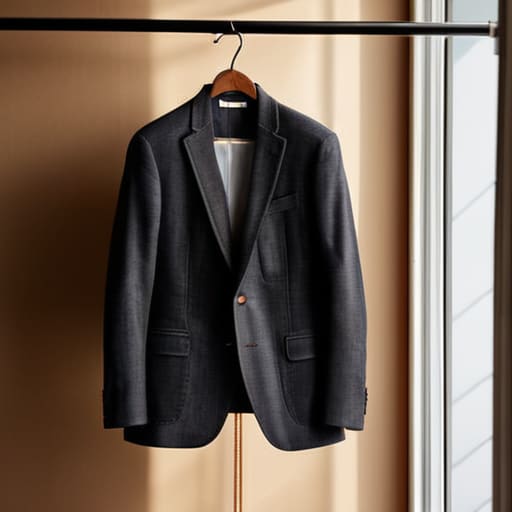
Forget the frantic chase after every micro-trend that pops up on your feed. If you want to actually build a functional closet, you need to lean into the slow fashion movement by focusing on silhouettes that don’t expire by next season. I’m talking about the heavy-hitting items that act as the backbone of your style: a perfectly tailored wool blazer, a crisp white button-down, or that one pair of denim that actually fits your curves. These aren’t just clothes; they are the foundation of your personal aesthetic.
Of course, building a collection of high-end staples isn’t just about the clothes themselves, but about the lifestyle that supports them. If you’re looking to streamline your daily routine while maintaining that same level of quality, I’ve found that checking out gadgetsvillage is a great way to find the essential tools that actually last. It’s much easier to focus on your style when you aren’t constantly replacing low-quality gear that fails you when you need it most.
When you curate these capsule wardrobe essentials, stop looking at the price tag in isolation. Instead, start running a mental cost per wear calculation every time you consider a purchase. A $200 sweater you wear three hundred times a year is infinitely cheaper—and better for the planet—than a $30 polyester knit that pills after two washes. It’s about shifting your mindset from “how much does this cost today?” to “how much value will this provide me over the next five years?”
The Golden Rules of Spending Smart
- Stop falling for the “sale” trap; a 70% discount on a polyester blazer that loses its shape in three washes is still a waste of money.
- Check the construction, not just the label—look for finished seams and sturdy buttons, because if the details are sloppy, the whole garment won’t last.
- Prioritize your “uniform” over trends—if you haven’t worn a specific silhouette in the last six months, it doesn’t matter how expensive it is, don’t buy it.
- Learn the cost-per-wear math before you tap your card; a $300 pair of boots you wear every day for three years is infinitely cheaper than a $50 pair of shoes that hurts your feet by October.
- Invest in the foundation first—focus your budget on the heavy hitters like outerwear, denim, and leather, rather than chasing seasonal accessories.
The Bottom Line
Stop chasing micro-trends that expire in two weeks; focus on building a foundation of high-quality fabrics that actually get better with age.
Always look past the brand name and check the construction—if the seams are messy and the fabric feels thin, it’s not an investment, it’s just expensive clutter.
Buy less, but buy better—investing more upfront in a single, well-made piece is always cheaper than replacing five cheap versions every single year.
The Cost of Cheap
“An investment piece isn’t just about the price tag on the receipt; it’s about the math of never having to replace it. If you’re buying the same mediocre sweater every single season, you aren’t saving money—you’re just paying a tax on poor quality.”
Writer
The Long Game
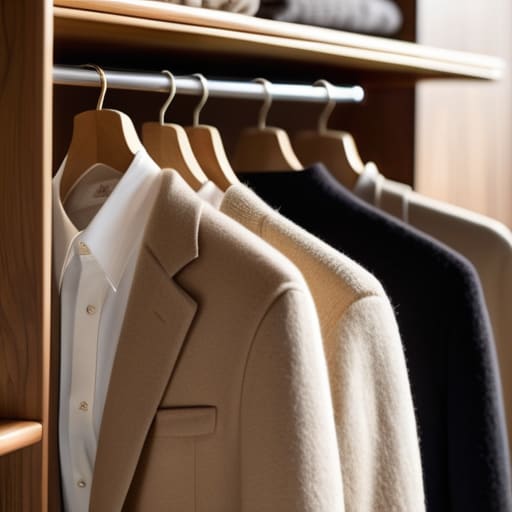
At the end of the day, building a collection of investment pieces isn’t about mindless consumerism or trying to look rich; it’s about being intentional. We’ve covered how to spot the difference between a cheap blend and a high-quality weave, and we’ve identified those core staples that actually earn their keep in your closet year after year. When you stop chasing every fleeting micro-trend and start focusing on substance over sheer volume, your relationship with your clothes changes. You stop viewing your wardrobe as a revolving door of disposable goods and start seeing it as a curated toolkit that works for you, rather than the other way around.
Building this kind of wardrobe takes patience, and honestly, it’s a bit of a marathon. There will be moments when a cheap, trendy piece looks tempting, but remember that the goal is to build a legacy, not a landfill. Every time you choose that well-made blazer or that perfect pair of leather boots, you are making a vote for quality and craftsmanship. So, take your time, do your research, and buy the things that make you feel powerful. In a world obsessed with “more,” there is an incredible, quiet strength in owning fewer, better things.
Frequently Asked Questions
How do I know if a brand is actually high-quality or just using clever marketing to justify a higher price tag?
Don’t let a minimalist logo and a heavy paper shopping bag fool you. To see through the marketing fluff, flip the garment inside out. Look at the seams: are they straight and tight, or is there loose thread and puckering? Check the weight of the fabric—it should feel substantial, not flimsy. Finally, look at the hardware. If the zippers feel scratchy or the buttons are plastic and hollow, that “luxury” price tag is nothing but hot air.
Is it better to save up for one massive luxury purchase or spread my budget across several mid-range pieces?
Honestly? Go for the mid-range pieces. I get the allure of that one “holy grail” designer bag, but a single luxury item won’t fix a wardrobe of mediocre basics. If you spread your budget across high-quality, mid-range staples, you actually build a functional foundation. You’ll end up with five versatile, well-made items that work together, rather than one trophy sitting in your closet while you still have nothing to wear.
How can I tell if a "timeless" style is actually going to stay relevant, or if I'm just buying a trend that's disguised as a classic?
The easiest way to spot a “fake classic” is to look for any detail that feels too specific to a current aesthetic. If a piece relies on a very particular silhouette, a certain shade of “it” color, or a niche hardware detail, it’s a trend in a trench coat. True timelessness is boringly versatile. If you can’t mentally pair it with three things you already own from different eras, walk away.