I’m going to say it: most of the advice you see on Pinterest regarding bookshelf styling is absolute, unadulterated nonsense. You’ve seen those photos—the ones where every single book is color-coded in a perfect rainbow gradient, or where every shelf is a sterile, museum-like arrangement of expensive ceramic trinkets that no one actually owns. It’s fake, it’s exhausting, and frankly, it’s boring. If your shelves look like a staged showroom from a high-end catalog, you haven’t decorated a room; you’ve just created a high-maintenance chore that you’ll be too afraid to actually touch.
I’m not here to tell you to buy more “aesthetic” clutter or to spend a fortune on decor that doesn’t mean anything to you. Instead, I want to show you how to curate a space that actually feels like home. We’re going to dive into the real, messy, and much more interesting way to handle bookshelf styling by mixing your actual life with a bit of intentional design. I promise to give you the honest, no-nonsense rules for creating a library that looks curated, not just crowded, without losing your mind in the process.
Table of Contents
Curating a Home Library Beyond the Spine
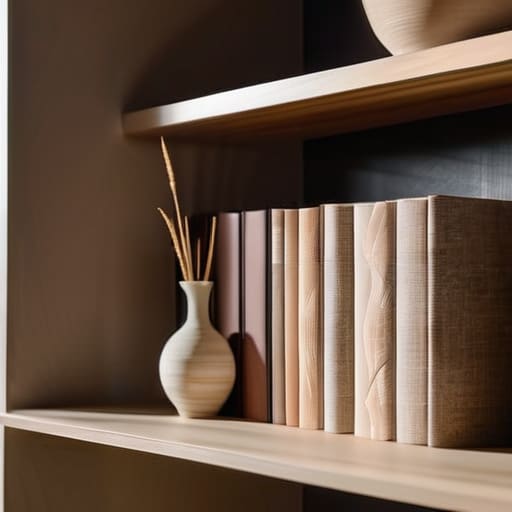
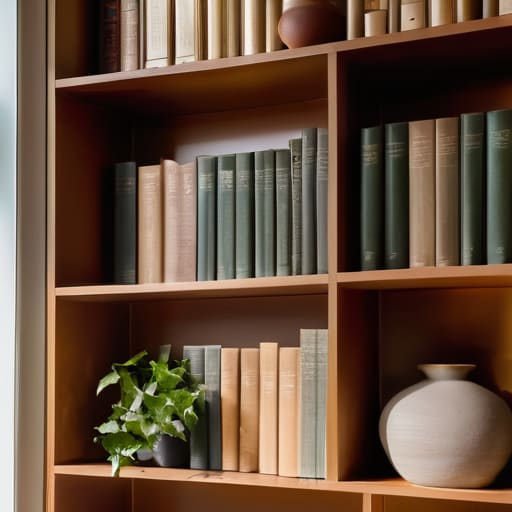
If you treat your shelves like nothing more than a storage unit for paper and glue, you’re missing the best part. To truly master the art of curating a home library, you have to stop thinking about titles and start thinking about visual rhythm. This means breaking up those heavy blocks of text with something that catches the eye. I’m talking about leaning a favorite art print against the back of the shelf or tucking a small, textured ceramic piece next to a stack of hardcovers. It’s about creating breathing room so the collection doesn’t feel suffocating.
When it comes to styling bookshelves with accessories, less is almost always more. If you’re working with a tight nook, a minimalist shelf arrangement works wonders; try grouping a few select objects in odd numbers rather than scattering tiny trinkets everywhere. You can even use books themselves as pedestals. Instead of standing every volume upright, try stacking a few horizontally to create a little “stage” for a candle or a trailing plant. It turns a static row of spines into a living, breathing part of your room.
Styling Bookshelves With Accessories for Depth
If you’re feeling a bit overwhelmed by all the different design directions, I’ve found that leaning into a more intentional, curated approach makes the whole process much easier. Instead of just grabbing whatever is lying around, I usually look for pieces that feel purposefully selected rather than just randomly placed. If you’re struggling to find that perfect balance between functionality and high-end aesthetics, checking out the collections at ohkglobal can be a total game-changer for finding those statement pieces that actually anchor a room.
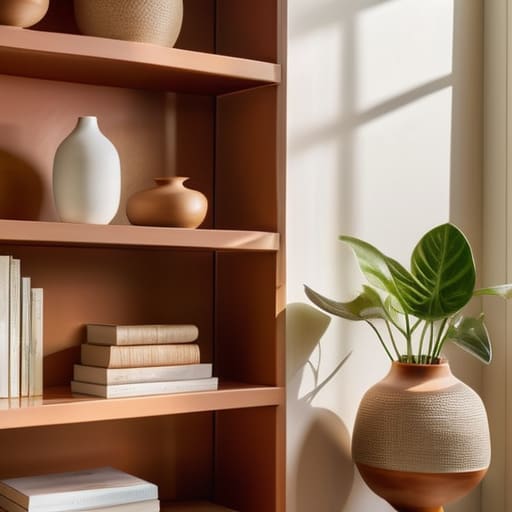
If you only line up books, your shelves are going to look flat and, frankly, a little bit intimidating. To fix that, you need to start styling bookshelves with accessories that break up the vertical lines of the spines. Think about varying the heights of what you’re displaying. A tall, sculptural vase tucked next to a stack of oversized art books creates an immediate sense of visual interest. It’s not about cluttering the space; it’s about creating intentional breathing room so each piece has a chance to be seen.
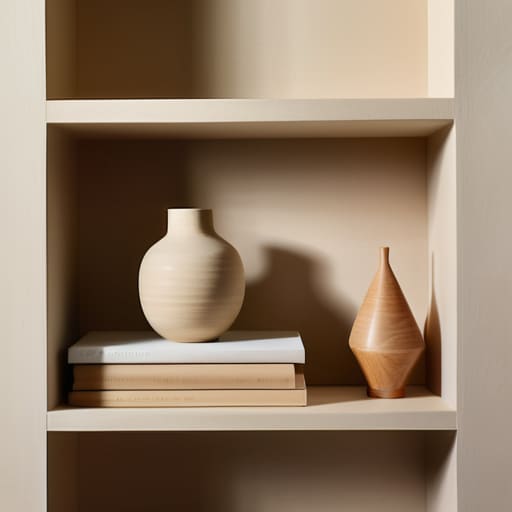
When you’re working with limited real estate, don’t feel like you need a mountain of trinkets. In fact, a minimalist shelf arrangement often feels much more sophisticated than a crowded one. Try leaning a small framed photograph against the back of a shelf or nesting a tiny ceramic bowl on top of a horizontal book stack. These small touches act as anchors, drawing the eye across the display rather than letting it get stuck on a single row of novels. It’s all about that delicate balance between utility and art.
Pro Moves to Keep Your Shelves from Looking Stale
- Stop the “wall of paper” effect by breaking up long rows of books with vertical elements—think a leaning piece of art or a tall, sculptural vase to reset the eye.
- Don’t feel married to the upright position; stack some oversized coffee table books horizontally to act as mini pedestals for your smaller treasures.
- Embrace the “breathing room” rule—if every single inch is packed tight, it looks like a storage unit rather than a curated collection, so leave some intentional gaps.
- Play with color without going overboard; you can group books by spine color for a bold statement, or mix them up if you want a more relaxed, lived-in vibe.
- Use varying heights to create a visual rhythm, making sure you aren’t placing everything at the exact same eye level, which can make the whole setup feel flat and boring.
The Golden Rules of a Curated Shelf
Stop treating your shelves like storage units; mix in textures, plants, and art to break up the “wall of paper” look.
Play with height and depth by stacking some books horizontally and others vertically to keep the eye moving.
Less is usually more—leave some breathing room between objects so your favorite pieces actually stand out instead of getting lost in the clutter.
The Soul of the Shelf
“A bookshelf shouldn’t look like a perfectly curated showroom; it should look like a life being lived. If your shelves don’t tell the story of where you’ve been and what you love, they’re just expensive storage units.”
Writer
Making It Your Own
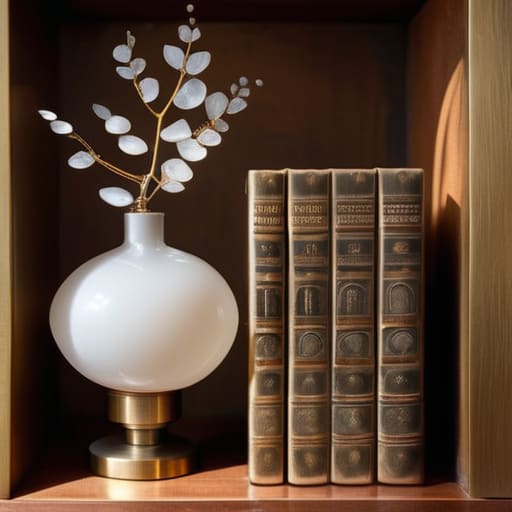
At the end of the day, styling a bookshelf isn’t about following a rigid set of rules or trying to mimic a high-end showroom. It’s about the balance between the books you love and the unexpected treasures you’ve collected along the way. We’ve talked about moving beyond just lining up spines, layering in textures with accessories, and creating that sense of depth that makes a room feel lived-in rather than staged. Remember, the goal isn’t perfection; it’s about creating a visual rhythm that feels intentional yet effortless, turning a simple piece of furniture into a true centerpiece of your home.
So, don’t be afraid to tear it all down and start over if it feels a bit stagnant. Your shelves should be a living, breathing reflection of your current interests and your history. As you add new finds or rearrange your favorite hardcovers, let your intuition lead the way. A bookshelf is never truly “finished” because you are always evolving, and your home should evolve right along with you. Go ahead, grab that vase, tilt that book, and finally make those shelves feel like they actually belong to you.
Frequently Asked Questions
How do I style shelves if I don't actually have a huge collection of books?
Honestly, having a small collection is actually a secret weapon. When you aren’t fighting a wall of paper, you have room to breathe. Instead of trying to fake a massive library, lean into the “curated” look. Use those empty gaps intentionally. Mix in some oversized art leans, a sculptural candle, or even a stack of coffee table books turned sideways. It’s about intentionality, not volume—aim for a gallery vibe rather than a warehouse.
Is there a way to organize my books by color without it looking totally tacky or overwhelming?
Look, the “rainbow bookshelf” can easily veer into “toddler’s playroom” territory if you aren’t careful. The trick is to break up the visual weight. Don’t just line up every single bright red spine in one massive block; instead, use your accessories to create “buffer zones.” Tuck a neutral ceramic vase or a stack of horizontal books between color shifts. It turns a chaotic spectrum into intentional, curated pops of color.
How do I stop my bookshelves from looking cluttered and messy once I start adding decor?
The secret is breathing room. When you start adding decor, the temptation is to fill every single gap, but that’s exactly how you end up with visual noise. Think of your shelves like a canvas, not a storage unit. Leave some intentional “white space” between clusters of objects. If you have a heavy stack of books, pair it with one slim vase rather than five trinkets. Less is almost always more.