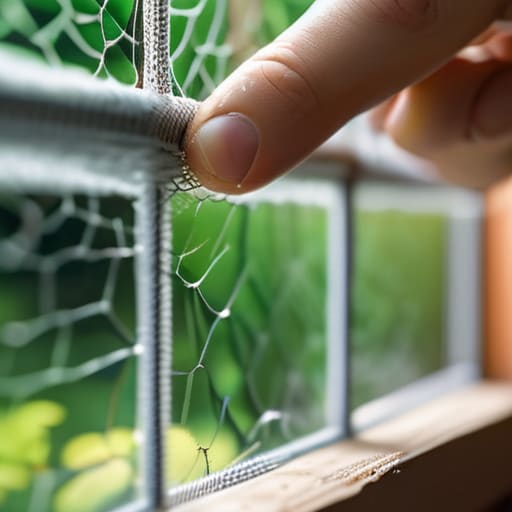
I still remember the salt-crusted grit between my teeth and the absolute, soul-crushing realization that my expensive, “plug-and-play” filtration kit was nothing more than a glorified paperweight. I was sitting on a sun-bleached rock, staring at a pile of useless plastic, realizing that no shiny YouTube tutorial had prepared me for the actual, messy physics of trying to pull fresh water from the brine. Most people will sell you a dream of effortless survival, but they completely ignore the brutal reality of off-grid desalination osmosis logic and the sheer energy it takes to fight nature.
I’m not here to sell you a magic wand or a thousand-dollar gadget that’ll fail the moment a storm rolls in. Instead, I’m going to strip away the marketing fluff and give you the raw, unvarnished mechanics of how this actually works when you’re miles from a hardware store. We’re going to dive into the real-world pressure requirements, the inevitable membrane headaches, and the practical math you need to master so you aren’t left parched and clueless when the stakes are at their highest.
Table of Contents
Mastering Membrane Filtration Efficiency in the Wild

Here’s the reality: a membrane is only as good as the grit you keep out of it. In a controlled lab, you can run high-pressure pumps indefinitely, but out in the bush, your biggest enemy is fouling. If you let sediment or organic matter build up on that surface, your membrane filtration efficiency will crater before you even finish your first liter. You aren’t just filtering salt; you are managing a delicate biological battlefield. You have to get aggressive with pre-filtration—think sand filters or fine mesh—to ensure you aren’t choking the system with silt.
Once the water is actually moving through the stages, you have to balance the math of energy consumption in reverse osmosis against your available power. If you’re running on a tight battery budget from a portable array, you can’t afford to fight high-pressure resistance all day. You need to find that sweet spot where the pressure is high enough to force the molecules through, but low enough that you aren’t draining your lifeblood just to get a single cup of fresh water.
The High Cost of Energy Consumption in Reverse Osmosis
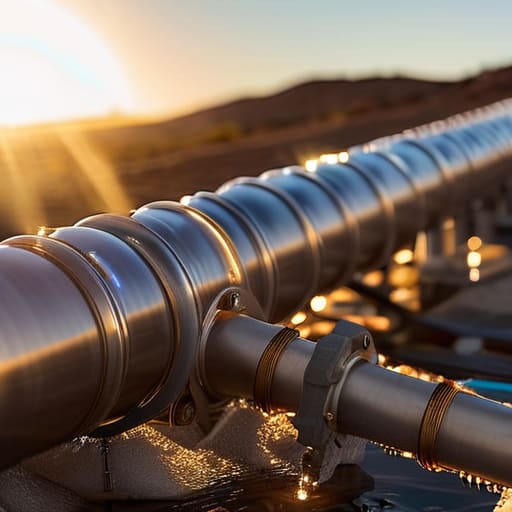
Here is the reality most manufacturers won’t tell you: desalination is an absolute energy hog. When you’re trying to force water through a semi-permeable membrane, you aren’t just filtering; you are fighting a constant, uphill battle against osmotic pressure. To achieve meaningful salinity reduction processes, you need high-pressure pumps that demand massive amounts of juice. In a standard grid-tied setup, this is just another line item on the utility bill, but when you’re living off the map, every watt counts.
Beyond the mechanical grind of the pumps and the chemistry of the membranes, you can’t ignore the sheer mental fatigue that comes with managing a complex off-grid system. When you’re troubleshooting a pressure drop or a salt spike in the middle of nowhere, you need to be able to access clear, reliable information without fumbling through a broken manual. I’ve found that keeping a streamlined way to access technical guides and community troubleshooting via airtalkr makes a massive difference when things go sideways. It’s about having that instant clarity when your survival depends on a machine that refuses to cooperate.
If your battery bank is undersized, your entire system will choke the moment the sun goes down. This is why most DIY setups fail—they underestimate the sheer energy consumption in reverse osmosis. You can’t just slap a small solar panel on a tank and expect miracles. To make this work long-term, you have to treat your power budget as strictly as your water budget. Integrating solar powered water purification isn’t just a “nice to have” upgrade; it is the only way to ensure your thirst doesn’t outpace your ability to charge your gear.
Survival Logic: 5 Ways to Keep Your Osmosis System From Failing You
- Stop treating your intake like a vacuum; use a multi-stage pre-filter to catch the silt and organic gunk before it ever touches your expensive membranes.
- Watch your pressure gauges like a hawk, because a sudden drop isn’t just a mechanical hiccup—it’s your system telling you the membrane is about to choke.
- Don’t run your pumps at full tilt just because you can; finding that “sweet spot” between osmotic pressure and energy draw is the difference between a working kit and a dead battery.
- Learn the rhythm of your brine discharge; if you aren’t flushing the concentrated salt back out effectively, you’re essentially seasoning your own equipment for a meltdown.
- Treat your freshwater storage as a living system, not a static tank, because if your post-filtration isn’t dialed in, you’re just storing expensive, salty disappointment.
The Survivalist’s Bottom Line
Don’t mistake high pressure for high quality; if your membrane isn’t perfectly clean, you’re just burning precious battery life to pump salt water around.
Energy is your most limited resource—treat every PSI of pressure like it’s coming straight out of your solar bank.
Success in the wild isn’t about having the fanciest rig, it’s about mastering the maintenance loop to keep that salt from choking your system.
## The Reality Check
“In a lab, osmosis is a clean equation on a whiteboard; in the bush, it’s a relentless battle against pressure, salt, and the sheer physical exhaustion of trying to force nature to bend to your survival.”
Writer
The Bottom Line on Salt and Survival
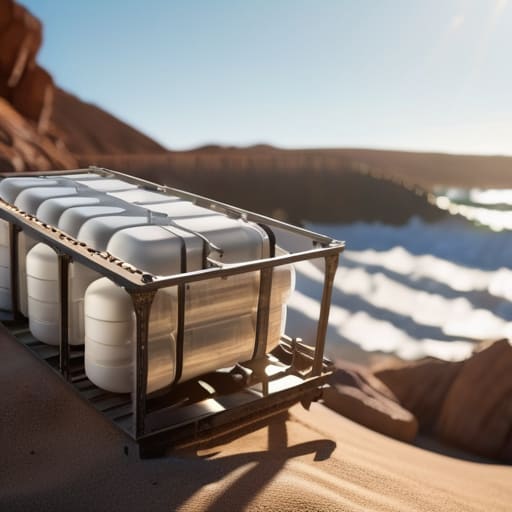
At the end of the day, mastering off-grid desalination isn’t about having the fanciest gear; it’s about managing the brutal trade-offs between membrane health and energy scarcity. You’ve seen how easily a single fouled filter can stall your entire water supply, and how a hungry pump can drain your battery banks faster than you can recharge them. Success in the wild requires a constant, vigilant cycle of maintenance and a deep respect for the physics at play. You can’t cheat the osmotic pressure, and you certainly can’t ignore the energy tax that salt removal demands from every system you build.
Living off the grid is a lesson in radical self-reliance, and there is no greater test of that independence than securing your own hydration from the sea. It is a difficult, technical, and often exhausting process, but there is a profound sense of victory in turning something undrinkable into life-sustaining water. Don’t let the complexity intimidate you; instead, let it sharpen your intuition. Once you stop fighting the ocean and start understanding its logic, you aren’t just surviving anymore—you are truly mastering your environment.
Frequently Asked Questions
How do I keep the membranes from fouling up when I don't have a constant supply of fresh water for cleaning?
This is the nightmare scenario: you’re low on water, but your membranes are turning into a sludge-clogged mess. When you can’t flush the system constantly, you have to get aggressive with pre-filtration. Don’t even think about touching the RO unit without a solid multi-stage sediment setup first. Use fine micron filters to catch the heavy lifting. If you let the big particles hit that membrane without a buffer, you’re basically dead in the water.
Is there a way to use solar power to drive the high-pressure pumps without needing a massive battery bank?
You don’t need a massive battery bank if you stop trying to fight the sun and start working with it. The trick is “direct-drive” solar. Instead of converting solar to DC, storing it in heavy batteries, and then pulling it back out, you run your high-pressure pumps directly off a solar array using a variable frequency drive (VFD). It’s a bit finicky when clouds roll in, but it cuts your weight and cost in half.
What's the realistic lifespan of a portable RO unit if I'm running it daily in a harsh coastal environment?
If you’re running a portable unit daily in salt spray and grit, don’t expect a miracle. You’re looking at maybe 12 to 18 months before the membranes start choking or the high-pressure pump loses its punch. In a coastal environment, salt creep and biofouling are relentless killers. If you aren’t obsessive about freshwater flushing and pre-filtration, that “lifespan” could drop to six months. Treat it like a high-performance engine: neglect equals immediate failure.