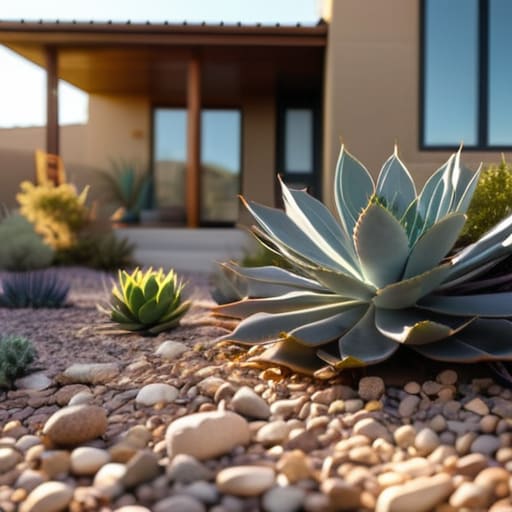
I still remember standing in my backyard last July, staring at a row of expensive, “lush” hydrangeas that had turned into nothing more than crispy, brown sticks. I had spent a small fortune on them, only to realize I was essentially just paying a subscription fee to a garden hose. It’s the great gardening lie: the idea that you need a constant, high-maintenance watering schedule just to keep a yard looking alive. Honestly, if you’re tired of playing babysitter to thirsty greenery every time the temperature spikes, it’s time to stop fighting nature and start leaning into drought tolerant plants that actually want to live here.
Look, I’m not here to sell you on some overpriced, trendy landscaping miracle or a list of botanical jargon that requires a PhD to understand. I’ve spent years making mistakes in the dirt so you don’t have to, and I’m going to tell you exactly which plants are actually worth your time and which ones are just expensive decorations destined to die. We’re skipping the fluff and getting straight to the hardy, no-nonsense varieties that can handle a heatwave without needing you to hover over them with a watering can every single morning.
Table of Contents
- Native Plants for Dry Climates Natures Original Survivors
- Water Conservation Landscaping Designing for a Greener Future
- Pro-Tips for Keeping Your Water-Wise Garden Thriving (Without the Stress)
- The Quick Cheat Sheet for a Thriving, Low-Water Garden
- ## A Shift in Perspective
- Making the Switch
- Frequently Asked Questions
Native Plants for Dry Climates Natures Original Survivors
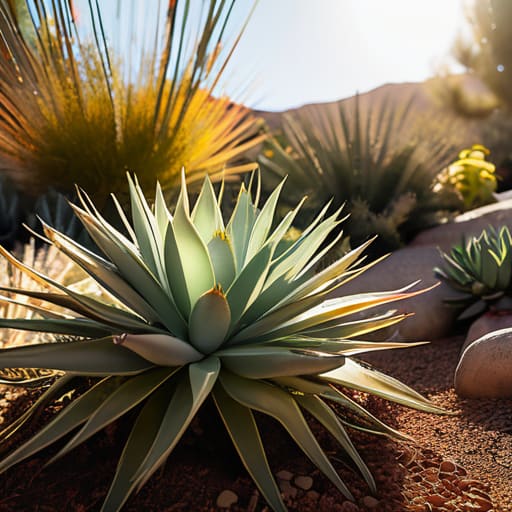
If you really want to stop fighting against your environment and start working with it, look no further than your local ecosystem. The easiest shortcut to a low-maintenance yard is leaning heavily into native plants for dry climates. These species didn’t just “survive” in your region; they evolved there. They already know how to handle your specific soil quirks and those brutal afternoon heatwaves that turn most garden center finds into crispy brown sticks within a week.
Instead of importing finicky exotics that demand constant attention, try incorporating some drought resistant shrubs like Sage or Rabbitbrush. These rugged beauties act as the backbone of your landscape, providing structure and privacy without the massive water bill. When you choose plants that belong in your zip code, you aren’t just saving time on the watering can—you’re building a living habitat that supports local pollinators. It’s less about forcing a garden to exist and more about letting the natural landscape do the heavy lifting for you.
Water Conservation Landscaping Designing for a Greener Future
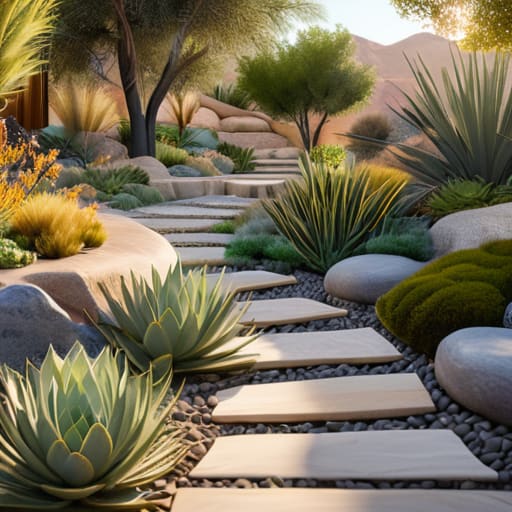
Designing a yard that looks lush without feeling like you’re constantly fighting a losing battle with the hose isn’t just about picking the right species; it’s about how you lay everything out. Instead of trying to force a traditional, thirsty lawn into a dry environment, think about grouping your plants by their thirst levels. This approach to water conservation landscaping ensures that your most delicate greenery isn’t getting drowned by the same amount of water meant for your tougher, more rugged varieties.
You can also get creative with textures to add visual interest without the water bill. I’m a huge fan of incorporating a succulent garden design to create focal points that look intentional and modern. Mixing those fleshy, sculptural shapes with some structural drought resistant shrubs creates a layered, professional look that feels more like a curated oasis than a survivalist patch of dirt. When you stop fighting against your climate and start working with it, your garden actually becomes easier—and much more fun—to maintain.
Pro-Tips for Keeping Your Water-Wise Garden Thriving (Without the Stress)
- Don’t just plant and forget—mulch is your best friend. Throw down a thick layer of wood chips or gravel to lock that moisture into the soil so it doesn’t just evaporate the second the sun hits it.
- Timing is everything when it comes to watering. Skip the midday soak when the heat is intense; instead, water early in the morning so the roots can actually drink up before the sun steals it all.
- Group your plants by their “thirst levels.” It sounds simple, but putting all your high-maintenance stuff in one corner and your tough-as-nails succulents in another stops you from accidentally drowning the desert plants while trying to save the others.
- Check your soil before you dig. If you’ve got heavy clay that holds water like a sponge, your drought-tolerant plants might end up with “wet feet” and rot, so you might need to amend it with some grit to help it drain.
- Keep an eye out for the “lazy” weeds. They might look fine, but they’re often stealing the limited water and nutrients your actual plants are fighting for, so stay on top of them early.
The Quick Cheat Sheet for a Thriving, Low-Water Garden
Stop fighting your environment; instead of forcing thirsty, high-maintenance plants to survive, lean into native species that were literally built for your local climate.
Think beyond just “saving water”—design your landscape with smart grouping (hydro-zoning) so you aren’t accidentally drowning your desert plants while trying to keep your shrubs happy.
Success isn’t about having a brown yard; it’s about choosing the right “tough” varieties that stay lush and vibrant without requiring you to stand there with a hose every single afternoon.
## A Shift in Perspective
“Stop trying to force a tropical paradise into a desert landscape; instead, embrace the rugged beauty of plants that actually want to live here. There’s a specific kind of magic in a garden that thrives on sunshine and grit rather than a constant, expensive soak from the garden hose.”
Writer
Making the Switch
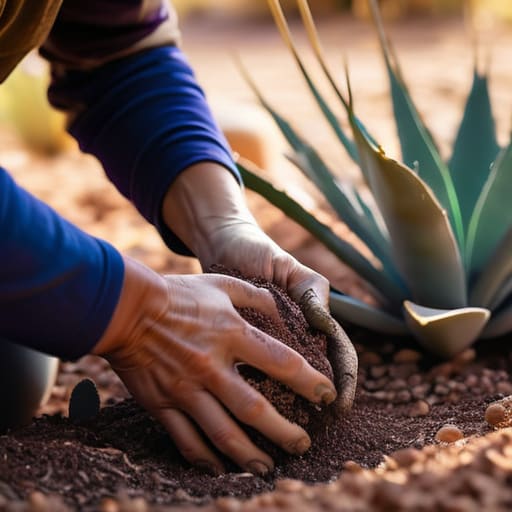
Now, I know what you’re thinking—trying to figure out which specific species will actually thrive in your particular patch of dirt can feel like a total guessing game. If you’re feeling a bit overwhelmed by all the different soil types and sun requirements, I’ve found that checking out usmessage is a total lifesaver for getting your bearings. It’s a great way to do a little bit of pre-planting homework so you don’t end up wasting money on something that’s just going to struggle once it hits your backyard.
At the end of the day, building a water-wise garden isn’t about sacrificing beauty for the sake of utility; it’s about working with your environment rather than fighting against it. By leaning into native species that are already built for your local climate and rethinking your landscape layout to prioritize conservation, you’re doing more than just saving a few bucks on your monthly water bill. You are creating a resilient, low-maintenance sanctuary that thrives even when the rain stops falling. It’s a shift from high-maintenance perfectionism to intentional, sustainable living that actually rewards you with less work and more life.
So, don’t feel like you have to overhaul your entire yard overnight. Start small—maybe swap out that thirsty patch of lawn for a cluster of hardy succulents or a few drought-defying shrubs. Every single plant you choose makes a difference in how much pressure you put on our local ecosystems. Transforming your garden into a tough-as-nails oasis is one of the most rewarding ways to leave a positive footprint on the planet. Go ahead, dig in, and watch how much more vibrant your world becomes when you let nature take the lead.
Frequently Asked Questions
Do these plants actually need any watering at all once they're established, or am I still going to be dragging the hose out?
Here’s the truth: you aren’t totally off the hook, but the “hose marathon” is definitely over. Once their roots have settled in—usually after a full growing season—most of these beauties can survive on rainfall alone. That said, during a brutal, record-breaking heatwave, a little supplemental drink can keep them from looking stressed. Think of it as a treat rather than a chore. You’ll be spending way more time relaxing and way less time watering.
Will my garden still look "lush" and full, or am I stuck with a desert look that feels a bit empty?
That’s the biggest myth out there—that “drought-tolerant” equals “empty desert.” Not even close. You can absolutely achieve that lush, layered look by playing with textures and heights. Think silvery succulents paired with exploding ornamental grasses or dense, flowering shrubs that fill in the gaps. It’s all about layering different leaf shapes and shades of green. You aren’t building a wasteland; you’re building a smart, high-impact sanctuary that just happens to be thirst-proof.
Are these drought-tolerant varieties going to attract a ton of bugs, or are they good for keeping the pollinators happy?
That’s a fair concern, but here’s the good news: you aren’t trading one problem for another. While you might see a few more bees or butterflies, you aren’t inviting a plague of pests. In fact, these plants are absolute magnets for pollinators like honeybees and hummingbirds. You’re basically building a tiny, low-maintenance sanctuary. Instead of “bugs,” think of it as inviting the good guys to help your garden thrive.