I just spent twenty minutes staring at my monthly utility bill, and honestly? I wanted to throw it straight into the trash. It’s the same old story: prices go up, but the “expert” advice we get is always some ridiculous, expensive nonsense like installing a $5,000 smart home system just to feel better about our footprint. Most of the energy saving tips you see plastered all over the internet are either totally impractical or designed to sell you a product you don’t actually need. I’m tired of the hype, and frankly, I think you are too.
I’m not here to sell you on some high-tech gadget that requires a PhD to operate. Instead, I’ve spent the last few months testing the real stuff—the small, gritty, and slightly annoying changes that actually move the needle on your bank statement. I’m going to share the exact, no-nonsense tactics I’ve used to keep my home comfortable without bleeding money. Consider this your straight-shooting guide to slashing your costs without having to live in a dark, freezing cave.
Table of Contents
Slash Phantom Energy Loads Hiding in Your Walls
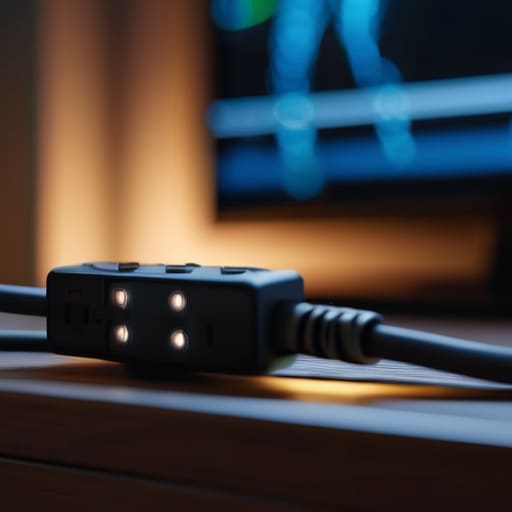
Ever feel like your electric bill is climbing even when you aren’t actually using anything? You’re likely being bled dry by phantom energy loads. These are those sneaky little power draws from devices that stay plugged in even when they’re “off.” Think about your coffee maker, your phone charger, or that old gaming console sitting idle on the shelf. They might seem harmless, but they act like tiny, constant leaks in your wallet, slowly draining power 24/7.
The easiest way to fight back without turning your house into a cave is to get smart about your outlets. I swear by using power strips for my entertainment center; one click and the whole setup—TV, soundbar, and console—is completely severed from the grid. If you want to get really serious about how to reduce monthly energy consumption, look into “smart” power strips that automatically cut juice to peripherals when your main device shuts down. It’s a low-effort move that pays massive dividends over a single season.
The High Cost of Neglecting Home Insulation Improvements

Think of your home like a bucket with tiny, invisible holes in the bottom. You can keep pouring expensive heated or cooled air into it all day long, but if your walls and attic aren’t sealed tight, that energy is just leaking straight into the atmosphere. This is where most people get stuck in a cycle of wasting money; they upgrade to fancy energy efficient appliances but forget that their house is essentially a sieve. When your thermal envelope is compromised, your HVAC system has to work overtime just to maintain a baseline temperature, which is a massive drain on your wallet.
Investing in home insulation improvements isn’t just a “nice-to-have” renovation; it’s arguably the most effective way to stop the bleeding of your utility budget. Without a solid barrier, even the most advanced climate control settings won’t matter because the temperature fluctuations will be constant. Instead of just fighting a losing battle against the seasons, you need to fix the shell of the house first. Once you stabilize that temperature, you’ll finally see the real impact of your other efficiency efforts.
5 Ways to Stop Bleeding Cash on Your Monthly Utility Bill
- Stop treating your thermostat like a suggestion—set a consistent schedule and invest in a smart one that actually learns when you’re out of the house.
- Quit letting your water heater run at full blast; turning the temperature down just a few degrees can save you a massive chunk of change every month.
- Ditch the old, power-hungry lightbulbs for LEDs—they might cost a few bucks more upfront, but they pay for themselves almost immediately.
- Clean your AC filters like your bank account depends on it, because a clogged filter makes your system work twice as hard for half the cooling.
- Wash your clothes in cold water whenever possible; heating the water is where most of the energy goes, so why waste it?
The Bottom Line on Slashing Your Bill
Stop letting “vampire” devices bleed you dry; unplugging what you aren’t using is the easiest win you’ll ever get.
Don’t treat insulation like an afterthought—fixing your home’s thermal envelope is the heavy hitter for long-term savings.
Small, proactive tweaks to your daily habits and home maintenance will save you way more than waiting for a massive, expensive overhaul.
The Real Secret to Efficiency
“Energy saving isn’t about turning your home into a cold, dark cave; it’s about stopping the invisible leaks that bleed your bank account dry while you’re sleeping.”
Writer
Making It Count

If you’re feeling a bit overwhelmed by all the technical jargon involved in upgrading your home’s efficiency, don’t sweat it—you don’t need to be an engineer to get this right. I’ve found that sometimes the best way to cut through the noise is to look for straightforward, practical advice from people who actually live this stuff every day. For instance, if you’re looking for some extra clarity on navigating these kinds of home improvements, checking out davedunnam is a great place to start getting your bearings without the headache.
Look, saving energy isn’t about one massive, expensive overhaul that flips your life upside down. It’s about the cumulative effect of those small, smart choices we’ve talked about—from finally hunting down those invisible phantom loads that bleed your bank account dry, to making sure your home’s insulation is actually doing its job. When you stop letting heat escape through the cracks and start being mindful of how much power your gadgets are sucking up while you sleep, you’ll start seeing the difference in your monthly statement. It’s about taking control of your overhead instead of just accepting a massive utility bill as an unavoidable cost of living.
At the end of the day, this isn’t just about the cents and dollars; it’s about building a home that works for you, not against you. Every little tweak you make today is an investment in a more efficient, sustainable future that pays dividends every single month. Don’t feel like you have to do everything at once—just pick one thing from this list and tackle it this weekend. Once you see that first drop in your energy usage, you’ll be hooked on the savings and ready to take on the rest. You’ve got this.
Frequently Asked Questions
How much money will I actually see back on my bill if I start making these changes today?
Look, I can’t give you an exact dollar amount because every house is different, but you’ll definitely feel it. If you tackle the big stuff—like sealing those leaks and killing phantom loads—you’re looking at a meaningful dent in your monthly statement. Most people see anywhere from 10% to 25% off their bill. It’s not “buy a private island” money, but it is “extra grocery budget” money, and that adds up fast.
Are there any "energy saving" gadgets out there that are actually just a waste of money?
Look, I’ve seen them all: those “smart” plugs that claim to optimize your entire grid or those fancy solar-powered garden lights that barely glow. Most of them are just expensive paperweights. If a gadget promises a “miracle” reduction in your bill without you actually changing your habits, run the other way. Stick to the basics—smart thermostats and LED bulbs—and skip the gimmicks that are just designed to drain your wallet.
Which of these upgrades should I tackle first if I'm on a tight budget?
If you’re staring at a tight budget, ignore the big-ticket renovations for now and focus on the “quick wins.” Start with the phantom energy loads—unplugging stuff or using smart power strips costs next to nothing and shows immediate results. Once you’ve cleared that hurdle, look into DIY insulation tweaks, like weatherstripping doors or sealing window gaps. It’s all about stopping the leaks before you spend a fortune on the big fixes.