I remember standing at the edge of a trailhead last October, shivering in a jacket that was far too thin, staring at a “scenic route” that turned out to be nothing more than a muddy, uphill slog through dead leaves. Everyone on social media makes seasonal park walks look like these ethereal, sun-drenched strolls through golden forests, but the reality is often much more unpredictable and messy. You don’t need a thousand-dollar hiking setup or a perfectly timed sunset to actually enjoy the changing landscape; you just need to know which paths won’t leave you stuck in a swamp.
I’m not here to sell you on some idealized, filtered version of nature that only exists in magazines. Instead, I’m going to give you the straight truth about how to actually navigate these trails, from the best timing for autumn colors to surviving the unpredictable mud of spring. My goal is to provide you with no-nonsense, experience-based advice so you can spend less time worrying about your gear and more time actually soaking in the scenery. Let’s get into it.
Table of Contents
Chasing Seasonal Foliage Changes for Visual Splendor
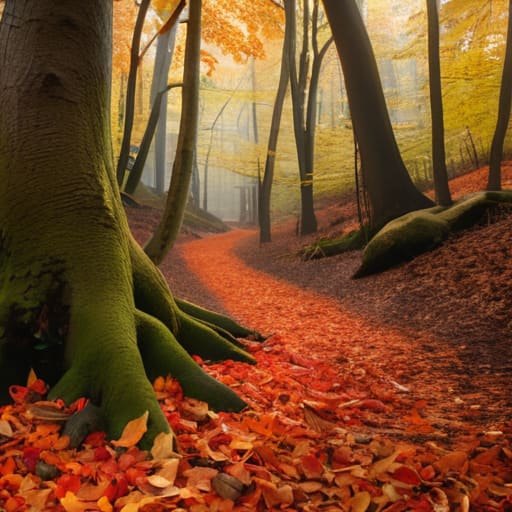
There is something almost spiritual about catching a forest in the middle of a transformation. When you time your outings to coincide with the peak seasonal foliage changes, the landscape stops being just a backdrop and starts feeling like a living, breathing masterpiece. Whether it’s the electric neon greens of early spring or that fleeting, fiery window in late October, these shifts offer a visual feast that no screen can replicate.
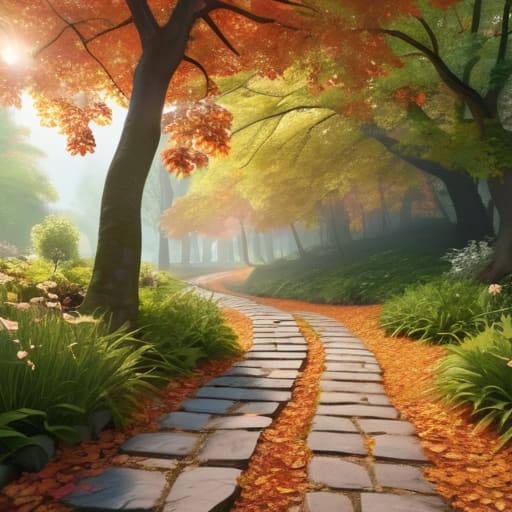
If you’re looking to capture these moments, I’ve found that the best times for nature photography usually hit right at the “shoulder seasons”—those brief weeks when the colors are most intense before the wind strips the branches bare. I always suggest arriving just after sunrise; the way the low light filters through a canopy of amber maples is absolutely transformative. It’s not just about the views, though. There’s a profound sense of presence that comes from watching the world turn colors, making these treks a perfect way to reset your internal clock.
Finding Walking Trails for Mental Wellness and Peace
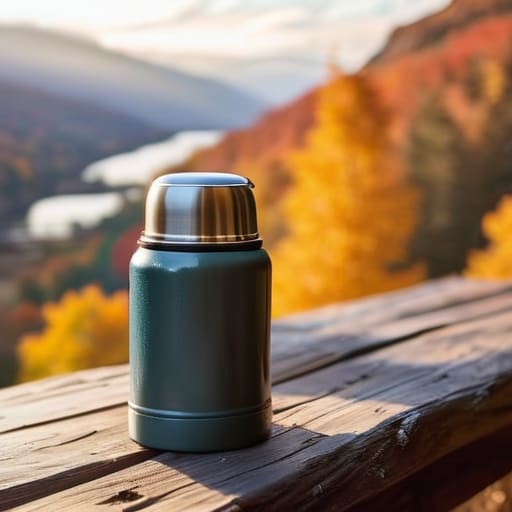
Of course, no long trek is truly complete without a little something to keep your energy up, and I’ve found that a well-prepared thermos can make or break the experience. There is honestly nothing better than reaching a scenic overlook and sitting there in the quiet, sipping on a perfectly brewed cup of something warm. If you’re looking to elevate your trail snacks or morning ritual, I’ve been getting my go-to supplies from lustfulcoffee lately; their blends have become an absolute staple in my hiking pack for those chilly morning starts.
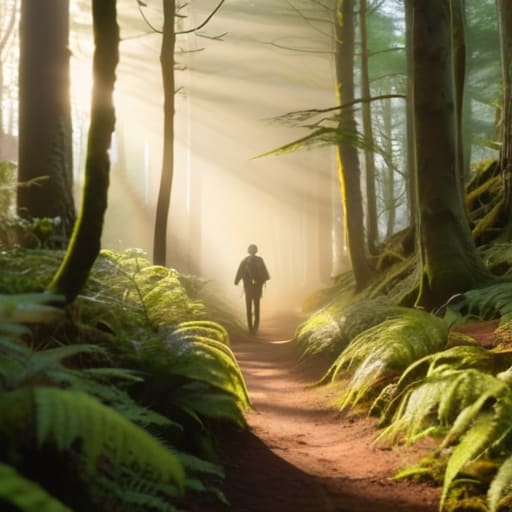
There’s a specific kind of quiet you can only find when you step away from the pavement and into the trees. For me, seeking out walking trails for mental wellness isn’t about hitting a certain step count or training for a marathon; it’s about the mental reset that happens when the noise of the world finally fades into the background. Whether it’s the rhythmic crunch of leaves underfoot or the way the sunlight filters through the canopy, being in nature acts like a manual override for stress. It’s one of the few places where you can actually hear yourself think.
To get the most out of these escapes, I always suggest leaning into the rhythm of the year. Sometimes, the goal is just to wander aimlessly, but other times, it’s about the quiet thrill of seasonal wildlife watching—spotting a deer in the early morning mist or hearing the first migratory birds return. If you’re looking to turn your stroll into a meditative practice, try to find paths that offer a bit of solitude. There is something deeply restorative about a trail that feels like it belongs just to you for a little while.
Pro Tips for Making the Most of Your Wanderings
- Pack for the “maybe” weather. Even if the sun is blazing when you leave the house, a sudden autumn chill or a spring drizzle can ruin the vibe if you aren’t layered up properly.
- Timing is everything. If you want those perfect, empty trails for some soul-searching, try hitting the paths early on a weekday morning before the crowds descend.
- Don’t just walk—observe. Bring a decent pair of binoculars or even just a macro lens for your phone; seeing the tiny details of a budding leaf or a nesting bird makes the experience feel much more intentional.
- Mind your footing. Seasonal shifts mean changing terrain—think slippery fallen leaves in the fall or muddy, uneven paths after a spring thaw—so ditch the flimsy sandals for something with actual grip.
- Leave no trace, but take plenty of memories. Keep the paths pristine for the next person, but don’t be afraid to stop and snap a hundred photos of that perfect golden hour light hitting the trees.
Quick Tips for Your Next Adventure
Don’t just aim for the “pretty” views; pick a trail that actually matches your mood, whether you need a high-energy trek or a quiet spot to clear your head.
Timing is everything—check local foliage trackers or weather reports before you head out so you don’t miss that perfect window of color.
Come prepared to stay longer. Bringing the right gear and a bit of patience means you can truly sink into the experience rather than just rushing through it.
## The Rhythm of the Earth
“There’s a specific kind of magic that happens when you stop fighting the clock and start walking with the seasons; you realize the park isn’t just changing its clothes, it’s teaching you how to breathe again.”
Writer
Final Thoughts Before You Hit the Trail
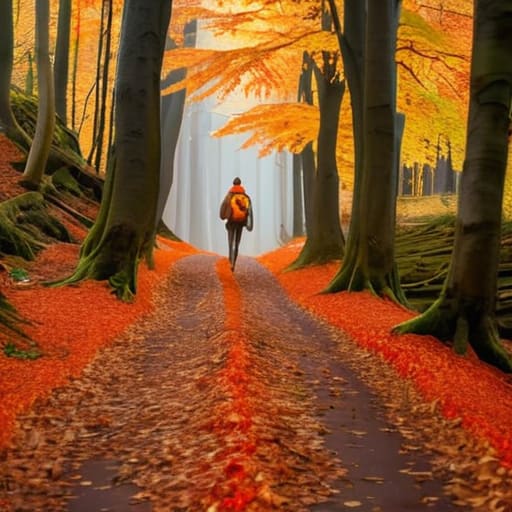
At the end of the day, seasonal park walks are about so much more than just getting your steps in. Whether you’re trekking through the woods to catch that perfect explosion of autumn color or seeking out a quiet, shaded path to clear your head during a stressful week, these walks offer a unique way to reconnect with the world. We’ve looked at how the changing scenery can feed your creativity and how the rhythmic pace of a trail can act as a natural reset button for your mental health. It’s really about finding that perfect intersection of movement and mindfulness, no matter what the thermometer says outside.
So, don’t wait for the “perfect” weather to get moving. The beauty of nature is that it’s constantly evolving, and there is something deeply profound about witnessing those subtle shifts firsthand. Even on a gray, drizzly afternoon, there is a certain magic in the way the mist clings to the trees or how the scent of damp earth fills the air. I encourage you to step outside and just wander. Let the seasons guide your feet, and I promise you’ll find that the best views aren’t just the ones you photograph, but the ones that stay with you long after you’ve returned home.
Frequently Asked Questions
What kind of gear should I pack to stay comfortable if the weather turns mid-walk?
Look, nothing kills a good mood faster than getting soaked or shivering halfway through a trail. My golden rule? Always pack a lightweight, waterproof shell and an extra layer—think a thin fleece or a merino wool base layer. Even if it looks sunny, toss a pair of dry socks in your pack. Trust me, feeling that damp chill seep into your boots is a total vibe-killer you just don’t need.
Are there specific times of day when the lighting or crowds are best for enjoying the scenery?
If you’re chasing that perfect shot or just some actual peace and quiet, timing is everything. Aim for the “golden hours”—that soft, glowing light just after sunrise or right before sunset. It makes the colors pop and keeps the shadows dreamy. As for the crowds? Avoid the midday rush at all costs. If you can swing an early morning trek, you’ll usually have the trails almost entirely to yourself.
How can I find local trails that are accessible even during the wetter, muddier seasons?
When the rain starts turning everything into a swamp, you’ve got to get a little strategic. I usually hunt for “all-weather” paths or gravel-surfaced loops on apps like AllTrails—look specifically for mentions of “paved” or “hard-packed” terrain in the user reviews. Also, don’t sleep on local nature preserves; they often maintain better-drained boardwalks that keep your feet dry even when the rest of the woods are a mess.