
I still remember the frantic, 3:00 AM feeling of staring at my dog, Cooper, wondering if his heavy breathing was just a dream or something much worse. That gut-wrenching uncertainty is exactly why the industry loves to sell us overpriced, shiny gadgets that promise to solve everything with a single app notification. Honestly, most of the high-tech “solutions” marketed for pet health monitoring are just expensive distractions that add more noise than actual clarity. You don’t need a subscription-based miracle to know if your best friend is hurting; you just need to know what actually matters when the vet bills start piling up.
I’m not here to sell you on the latest silicon-valley gimmick or some complicated data dashboard that requires a degree to understand. Instead, I’m going to share the straight-shooting, practical methods I’ve learned from years of trial, error, and a few too many midnight emergency room visits. We are going to cut through the marketing fluff and focus on the real-world tools and simple observation habits that actually keep your pets safe. No hype, no nonsense—just the stuff that works.
Table of Contents
Decoding the Early Detection of Pet Illness

The tricky thing about our pets is that they are masters of disguise. They won’t come to you and say, “Hey, my joints are feeling a bit stiff today,” or “I think I have a fever.” Instead, they just quietly withdraw, sleep a little longer, or stop being their usual goofy selves. This is why early detection of pet illness is so vital; by the time a symptom is obvious enough for you to notice, the issue might already be well underway. We have to become detectives, looking for those tiny, subtle shifts in their daily rhythm that signal something is off.
This is where modern tech actually becomes a game-changer rather than just a gimmick. By monitoring pet activity levels through a collar or similar device, you’re essentially getting a baseline of what “normal” looks like for your specific animal. If your dog suddenly stops hitting their usual step count or their sleep patterns shift drastically, you aren’t just guessing—you have data. It turns those “gut feelings” into actionable information, allowing you to catch potential issues long before they turn into expensive, stressful emergency vet visits.
Why Tracking Pet Vital Signs Changes Everything
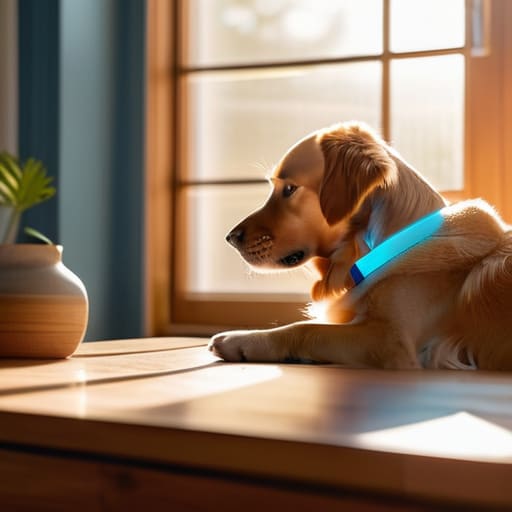
Think about it this way: by the time your dog is actually limping or your cat stops eating, they’ve often been feeling unwell for quite some time. Animals are masters at hiding discomfort—it’s a survival instinct. This is why tracking pet vital signs is such a game-changer. Instead of playing a guessing game during a frantic vet visit, you’re walking in with actual data. You aren’t just saying, “He seems a bit off lately”; you’re saying, “His resting heart rate has climbed by ten beats per minute over the last week.” That shift from reactive guesswork to proactive insight is what truly transforms how we care for them.
Modern tech has made this level of oversight incredibly easy to manage at home. With the rise of smart pet wearable technology, you don’t need to be a medical professional to catch the subtle shifts in their daily rhythm. These devices act like a continuous safety net, flagging tiny deviations in sleep patterns or movement that the human eye would never notice. It’s about catching those microscopic red flags before they escalate into an emergency.
5 Simple Ways to Stay Ahead of the Curve
- Start a “normal” baseline. You can’t know if something is wrong if you don’t know what “right” looks like. Pay attention to their energy levels and appetite when they’re perfectly healthy so you can spot the subtle shifts later.
- Get comfortable with the tech. Whether it’s a smart collar or a simple digital scale, use tools that take the guesswork out of the equation. Data doesn’t lie, even when our pets are acting like everything is fine.
- Master the art of the “touch test.” Once a week, run your hands over your pet to check for new lumps, bumps, or weirdly warm spots. It’s a low-effort way to catch physical changes before they become emergencies.
- Keep a digital health log. Stop relying on your memory. Use a simple note on your phone to jot down weird bathroom habits or sudden changes in sleep patterns—it’s gold when you’re sitting in the vet’s office.
- Watch their eyes and coat. A dull coat or cloudy eyes are often the first “silent” signals of internal issues. If their shine fades, it’s time to look a little deeper.
The Bottom Line for You and Your Pet
Don’t wait for a crisis; catching small shifts in behavior or vitals early is the difference between a quick fix and a major vet emergency.
Modern monitoring tools aren’t just gadgets—they are your eyes and ears when your pet can’t tell you where it hurts.
Consistency is everything, so turn routine health checks into a natural part of your daily bond rather than a stressful chore.
## The Silent Language of Health
“We often wait for a limp or a cough to realize something is wrong, but true care is about listening to the subtle shifts in their rhythm before they ever have to scream for help.”
Writer
The Bottom Line on Staying Ahead

If you’re feeling a bit overwhelmed by all the data, don’t worry—you don’t need to be a veterinarian to make sense of it all. Sometimes, the best way to stay ahead is to lean on reliable resources that simplify the guesswork. I’ve found that checking in with sites like windsweptwings can be a total lifesaver when you’re trying to figure out if a subtle change in behavior is something to worry about or just a phase. It’s all about having that extra layer of confidence so you can stop second-guessing yourself and focus on actually enjoying your time with them.
At the end of the day, pet health monitoring isn’t about turning your home into a high-tech laboratory or obsessing over every minor twitch. It’s about building a reliable baseline of what is normal for your specific companion. By learning to decode those subtle behavioral shifts and keeping a casual eye on their vital signs, you move from being a reactive owner to a proactive guardian. You aren’t just watching them; you are learning their unique language, which allows you to catch the small, quiet issues before they escalate into expensive, stressful emergencies at the vet.
Ultimately, our pets give us everything—unconditional love, constant companionship, and a reason to smile after a long day. They can’t tell us when something feels “off,” so we have to be their voice. Investing even a little bit of time into tracking their well-being is one of the most profound ways you can show your gratitude. It’s about more than just data points or gadgets; it is about protecting the bond that makes them family. Stay observant, stay curious, and enjoy every extra moment you get to spend with them.
Frequently Asked Questions
Do I really need expensive gadgets, or can I just track things manually?
Look, you don’t need to drop a paycheck on high-tech sensors to be a good pet parent. While gadgets are great for convenience, they aren’t a requirement. Honestly? A simple notebook or even a dedicated note on your phone works wonders. Tracking when they eat, how much they drink, or how much they’re moving gives you a baseline that’s just as valuable as any digital readout. Start manual; upgrade only if you want the data automated.
How often should I actually be checking my pet's vitals without stressing them out?
You don’t need to turn your living room into a mini-clinic every single day. For most healthy pets, a quick weekly check—maybe while they’re lounging or right after a calm walk—is plenty. If they’re older or dealing with a known issue, aim for a few times a week. The golden rule? Keep it casual. If they start acting skittish or tense, stop. Monitoring should feel like a routine part of your bond, not a stressful chore.
What are the specific red flags that mean I should stop monitoring and call the vet immediately?
Look, monitoring is great for catching trends, but there’s a line you can’t cross. If your pet stops eating entirely, becomes unresponsive, or starts struggling to breathe, stop checking the data and grab your keys. Sudden, extreme lethargy or uncontrollable vomiting are also massive red flags. If something feels “off” in a way that makes your gut sink, don’t wait for a reading to confirm it. Just call the vet.