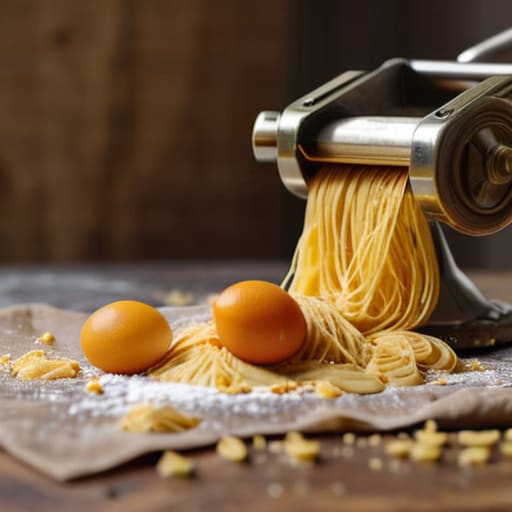
I still remember the first time I tried to tackle pasta making in my tiny, cramped apartment kitchen. I was surrounded by a literal mountain of spilled flour, my hands were stained a pale yellow from too many egg yolks, and I was staring at a lump of dough that looked more like wet cement than something edible. I had spent a fortune on fancy, specialized Italian rollers and expensive specialty flours, thinking that was the secret to greatness. It wasn’t. In fact, all that gear just made me feel more intimidated and less connected to the food.
Look, I’m not here to sell you a lifestyle or convince you that you need a thousand-dollar machine to eat well. I’ve made every single mistake in the book so that you don’t have to. In this guide, I’m stripping away the pretension and giving you the raw, honest truth about what actually works. We’re going to focus on the feel of the dough and the intuition of the cook, because that is where the magic actually happens. This is about real food, made by real people, without the unnecessary fluff.
Table of Contents
Semolina Flour vs All Purpose Choosing Your Canvas
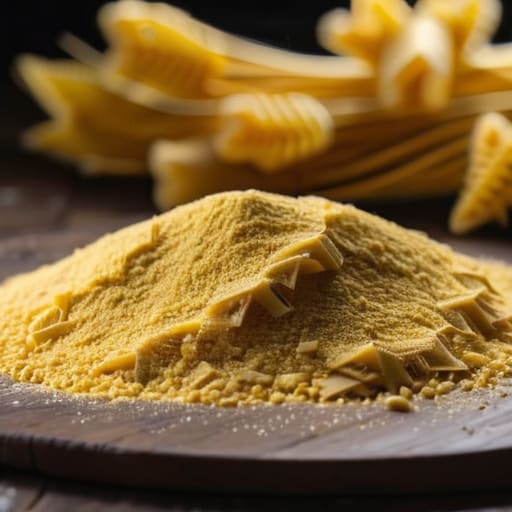
If you’ve ever stared at the baking aisle wondering why your noodles feel like rubber bands or, worse, turn into mush, the culprit is almost certainly your flour. When weighing semolina flour vs all purpose, you aren’t just picking a powder; you’re deciding the very soul of your dish. Semolina is the heavy hitter—it’s coarse, golden, and packed with the protein needed to give your noodles that essential al dente bite. If you want those sturdy, rustic textures that hold onto a heavy ragu without falling apart, semolina is your best friend.
On the flip side, all-purpose flour is much more forgiving and creates a silkier, more delicate strand. It’s perfect for those thin, elegant ribbons where you want a melt-in-your-mouth sensation. However, if you go this route, you might find yourself kneading dough by hand for a little longer to develop the strength it lacks. My rule of thumb? Use semolina for structure and all-purpose for finesse. Mixing them is actually the secret sweet spot for achieving a balanced, professional-grade texture every single time.
The Golden Ratio Perfecting the Egg Yolk to Whole Egg Ratio
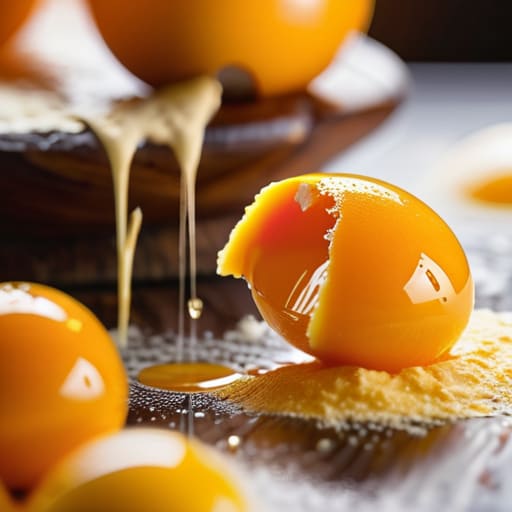
Once you’ve settled on your flour, it’s time to talk about the real magic: the eggs. If you follow a standard recipe, you’ll likely end up with a dough that’s either too crumbly or a sticky mess that refuses to cooperate. The secret to that luxurious, silky texture you find in a high-end trattoria lies entirely in the egg yolk to whole egg ratio. While using whole eggs provides the necessary moisture and structure, it’s the yolks that deliver that deep, sunset-orange hue and a richness that coats the palate.
Once you’ve nailed down your flour and your eggs, you’re going to realize that the real magic happens in the rhythm of the knead. It’s not just about following a recipe; it’s about feeling when the dough has finally transitioned from a shaggy mess to something silky and resilient. If you’re feeling a bit overwhelmed by the technical side of kitchen workflows or just want to see how a beautifully organized space can make this whole process feel less chaotic, I’ve been spending a lot of time lately browsing gardenofedits for some serious culinary inspiration. Getting your environment right is half the battle when you’re trying to master a craft like this.
I personally swear by a “yolk-heavy” approach. Instead of just cracking three whole eggs into a mound of flour, try using one whole egg supplemented by three or four extra yolks. This adjustment creates a dough that feels almost velvety to the touch and holds its shape beautifully when you move toward more intricate authentic tagliatelle shapes. It makes the process of kneading dough by hand much more rewarding, as you’ll feel the gluten developing into a smooth, elastic ball rather than fighting against a stubborn, dry mass.
Five Little Secrets to Stop Your Pasta from Turning into Mush
- Don’t go overboard with the flour while kneading. It’s tempting to keep dusting the board when things feel sticky, but if you overdo it, you’ll end up with a heavy, dense dough that tastes more like cardboard than silk.
- Give your dough a nap. I know, you’re hungry, but if you try to roll out dough that hasn’t rested for at least 30 minutes, it’s going to fight you every step of the way. Let the gluten relax so it actually behaves.
- Watch your water temperature. When you’re boiling that pot, wait for a violent, rolling boil before dropping the pasta in. If the water is just simmering, the starch leeches out too fast and your noodles will turn into a gummy mess.
- Salt the water like the sea. This is your only chance to season the dough from the inside out. If your pasta water doesn’t taste seasoned, your finished dish will always taste flat, no matter how good your sauce is.
- Stop the cook early. Pasta keeps cooking in the pan once you toss it with the sauce. Pull those noodles out of the water when they are just shy of perfect—they’ll finish the journey in the sauce and soak up all that flavor.
The Pasta Maker’s Cheat Sheet
Don’t get married to one flour; use semolina if you want that classic al dente bite, but keep all-purpose in your back pocket for a softer, more delicate texture.
Forget the rigid math for a second and trust your hands—the ratio of yolks to whole eggs is your baseline, but the feel of the dough is your real guide.
Precision matters, but intuition wins; if the dough feels too dry or too tacky, adjust on the fly rather than sticking blindly to a recipe.
The Soul in the Dough
“Forget the timers and the precise gram scales for a second; pasta isn’t something you follow—it’s something you feel through your fingertips until the dough finally starts talking back to you.”
Writer
From Flour to Feast
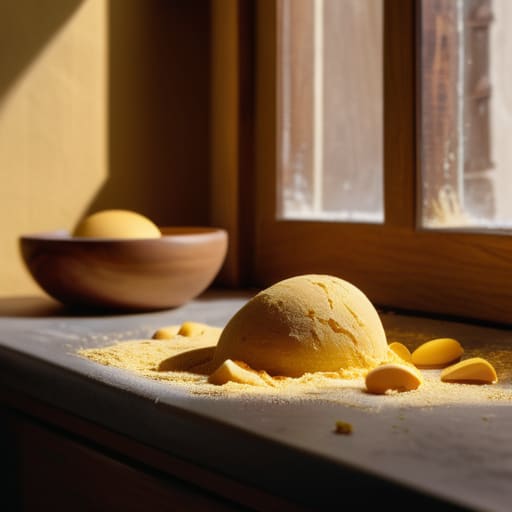
At the end of the day, mastering pasta isn’t about following a rigid laboratory formula; it’s about understanding how your ingredients dance together. You’ve learned that choosing between the grit of semolina and the silkiness of all-purpose flour sets the entire tone, and that finding your personal sweet spot with the egg ratio is what transforms a simple dough into something truly transcendent. Don’t get discouraged if your first few batches feel a little stubborn or heavy. Even the most seasoned chefs started with a messy countertop and a dough that refused to cooperate. Just remember that consistency is born from trial and error, and every failed batch is just another lesson in the texture of perfection.
Once you move past the science and start trusting your hands, something magical happens. You stop reading recipes and start feeling the dough. You’ll know by the way it resists your palms or yields to your touch when you’ve finally hit that elusive, silky sweet spot. Pasta making is a slow, tactile ritual that demands you step away from the digital noise and reconnect with something primal and beautiful. So, dust off your rolling pin, grab a bowl, and don’t be afraid to get a little flour under your fingernails. The most soul-satisfying meals are the ones you built from scratch, one golden strand at a time.
Frequently Asked Questions
How long do I actually need to let the dough rest before I start rolling it out?
The Patience Test: Why Your Dough Needs a Nap
Can I use a pasta machine, or am I stuck using a rolling pin for everything?
Look, if you’re asking this, you’re probably staring at a pile of dough and a heavy wooden pin wondering if your forearms are going to fall off. Here’s the truth: you don’t need a machine, but man, it changes the game. A machine gives you that surgical precision for paper-thin sheets, while a rolling pin is more soulful and tactile. If you want consistency, get the crank. If you want a workout, stick to the pin.
What’s the best way to store leftover dough if I don't use it all at once?
Don’t let that extra dough go to waste—it’s gold. If you aren’t finishing the batch, wrap it tightly in plastic wrap, making sure there’s no air trapped inside to prevent a crust from forming. Shove it in the fridge for up to 24 hours. If you need to go longer, freeze it in a single disc. Just let it thaw slowly in the fridge before you even think about rolling it out again.