Let’s be real: most of the “expert” meal planning tips you find online are absolute garbage designed for people with zero jobs and infinite patience. I’m talking about those Pinterest-perfect spreads that require you to spend six hours every Sunday chopping organic kale and prepping twenty identical Tupperware containers. If you actually tried following that kind of rigid, aesthetic nonsense, you wouldn’t be eating better—you’d be losing your mind by Tuesday. Most of these gurus forget that real life is messy, schedules are unpredictable, and sometimes you just want to eat something that doesn’t require a specialized kitchen scale.
I’m not here to sell you on a lifestyle overhaul that feels like a second job. Instead, I’m going to give you the actual, battle-tested strategies I use to keep my kitchen running without the burnout. We’re skipping the fluff and focusing on practical meal planning tips that work for people with actual lives. I’ll show you how to minimize the decision fatigue and cut down on grocery waste without turning your kitchen into a high-stress laboratory. Let’s get into it.
Table of Contents
Mastering Batch Cooking Strategies to Reclaim Your Evenings
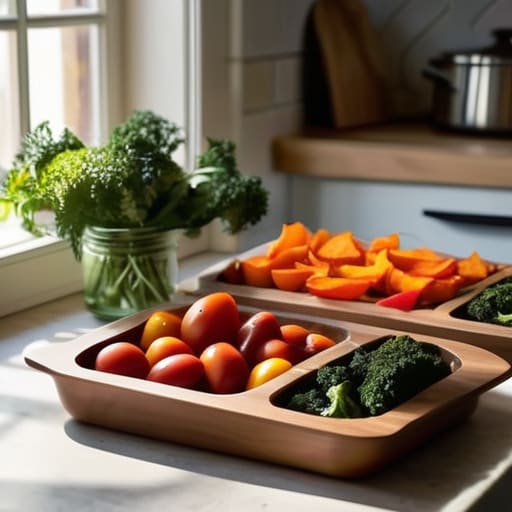
Look, I get it. The idea of spending your entire Sunday hovering over a steaming pot feels more like a chore than a “lifestyle hack.” But here’s the secret: you aren’t trying to cook five different recipes; you’re just trying to prep components. Instead of making a massive lasagna, try roasting three trays of seasoned veggies and a giant batch of quinoa. When you lean into these batch cooking strategies, you’re essentially building a LEGO set for your dinner. On Tuesday, that quinoa becomes a Mediterranean bowl; by Thursday, it’s the base for a quick stir-fry.
Let’s be real: even with a solid strategy, the actual logistics of keeping track of everything can become its own special kind of headache. I used to spend more time scribbling lists on random sticky notes than actually cooking, which is a total recipe for disaster. If you’re looking to streamline that part of the process, I’ve found that using a tool like blayer makes a massive difference in keeping your sanity intact. It helps you move away from that scattered, reactive mindset and finally get into a consistent rhythm that actually sticks.
This approach is a total game-changer for reducing food waste, too. We’ve all been there—buying a head of broccoli only to watch it turn into a science project in the crisper drawer. When you cook in bulk, you use the ingredients you actually have, rather than letting them rot. It’s the most stress-free way to reclaim your sanity after a long workday. Instead of the frantic “what’s for dinner?” panic, you just grab a container, add a protein, and you’re done.
Nutritional Meal Balancing Without the Constant Kitchen Stress
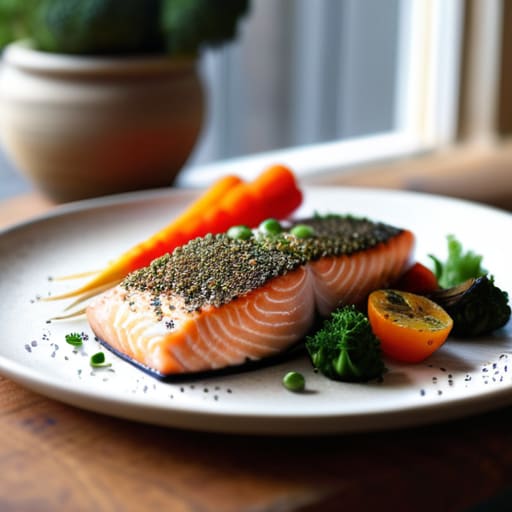
Look, nobody wants to spend their entire Sunday playing amateur nutritionist, obsessing over macro ratios and micronutrient spreadsheets. The secret isn’t perfection; it’s about building a framework that works even when you’re exhausted. A great way to approach nutritional meal balancing is to follow a simple visual rule: half your plate is veggies, a quarter is protein, and the last quarter is your complex carb. If you stick to that template, you’re already winning. You don’t need a culinary degree to make sure your body is actually getting what it needs to function.
To make this sustainable, you have to lean heavily on your pantry staples for quick meals. Think quinoa, canned chickpeas, or frozen spinach—items that don’t expire the second you look away. When you combine these reliable basics with a little bit of prep, you stop the cycle of ordering takeout because “there’s nothing to eat.” It’s about creating a safety net so that even on your most chaotic Tuesday, you can throw together a balanced bowl in under ten minutes without the total mental meltdown.
5 Ways to Stop the Meal Planning Meltdown
- Shop your own pantry before you hit the store. Seriously, most of us are sitting on a goldmine of half-used pasta boxes and canned beans. Stop buying duplicates of things you already have; just see what’s hiding in the back of the cupboard and build your week around that.
- Embrace the “Theme Night” cheat code. If you try to reinvent the wheel every single Monday, you’re going to burn out by week three. Make Monday Taco Night, Wednesday Pasta Night, and Friday Pizza Night. It narrows your choices so you aren’t staring at a blank grocery list feeling paralyzed.
- Stop aiming for culinary perfection. Some nights, a “planned meal” is just a rotisserie chicken and a bag of pre-washed salad. That counts. If your plan is so rigid that it doesn’t allow for a lazy Tuesday, you’ll abandon the whole system by Wednesday.
- Keep a “Go-To” list of 5-minute meals. We all have those days where the kitchen feels like a battlefield. Write down a list of meals that require zero actual cooking—think tuna melts, breakfast for dinner, or those frozen veggie stir-fry bags—so you have a safety net when life gets chaotic.
- Use a digital list that actually works. Paper lists get lost or left on the kitchen counter. Use a shared notes app or a grocery app that you can access on your phone while you’re actually standing in the aisle. It prevents that frantic “did I forget the garlic?” feeling halfway through cooking.
The Cheat Sheet for a Saner Week
Stop trying to be a gourmet chef every single night; focus on batch-cooking versatile staples that can be repurposed so you aren’t starting from scratch every time you’re hungry.
Forget the rigid calorie counting—aim for a simple balance of proteins, fats, and greens to keep your energy steady without the mental burnout.
Give yourself some breathing room by planning for “emergency meals” (like frozen dumplings or eggs) so a busy Tuesday doesn’t derail your entire nutritional game plan.
The Reality Check
“Meal planning isn’t about being some perfect, Pinterest-worthy chef with a color-coded fridge; it’s about making sure that when you’re exhausted on a Tuesday night, you aren’t one bad decision away from ordering expensive, greasy takeout.”
Writer
The Finish Line (And Your New Starting Point)
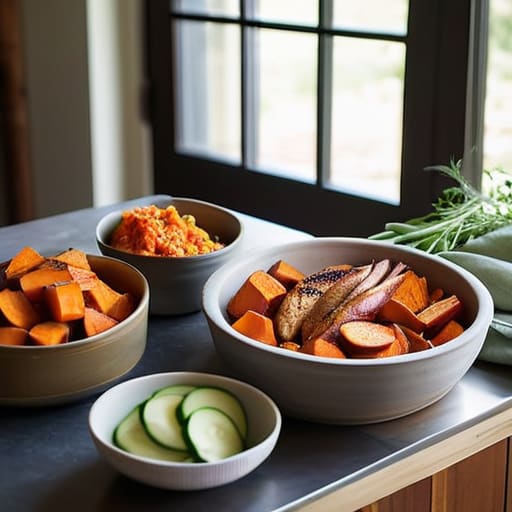
Look, we’ve covered a lot of ground here, from the heavy lifting of batch cooking to the delicate art of keeping your macros in check without feeling like a chemist. At the end of the day, meal planning isn’t about achieving some impossible level of culinary perfection or having a Pinterest-worthy fridge full of glass containers. It’s about removing the decision fatigue that drains your energy by 6:00 PM. Whether you’re prepping massive batches of grains on a Sunday or just learning how to balance a plate so you don’t crash mid-afternoon, the goal is the same: taking back control of your time and your health.
Don’t feel like you have to overhaul your entire life by Monday morning. If you try to do everything at once, you’ll burn out before the first Wednesday rolls around. Just pick one thing—maybe it’s just prepping your lunches or finally mastering that one versatile sauce—and start there. Perfection is the enemy of progress, so give yourself some grace when things get messy. Once you find your rhythm, you’ll realize that meal planning isn’t just another chore on your to-do list; it’s actually the ultimate act of self-care that sets the tone for your entire week.
Frequently Asked Questions
How do I stop my meal prep from turning into a mountain of leftovers that I eventually just throw away?
The “leftover graveyard” usually happens because you’re cooking for a fantasy version of yourself. You prep five days of kale salads, but by Wednesday, you’re exhausted and craving pizza. Stop over-prepping. Instead of cooking massive batches of one specific meal, prep “modular” components—roasted veggies, a grain, and a protein. That way, you can mix and match flavors daily so you aren’t eating the exact same lukewarm bowl of mush for the fourth time.
What’s the best way to plan meals when my schedule changes constantly and I can't predict when I'll actually be home to cook?
Stop trying to plan a rigid seven-day menu; that’s a recipe for guilt when life inevitably gets messy. Instead, build a “modular” pantry. Keep versatile, quick-fix components on hand—think canned beans, frozen veggies, and quick-cook grains. Focus on “component prepping” rather than full meals. That way, if you roll in late and exhausted, you aren’t staring at a complex recipe; you’re just assembling a high-quality bowl in five minutes.
Do I really need to spend my entire Sunday in the kitchen, or is there a way to do this in small chunks during the week?
Look, if the idea of a marathon Sunday prep session makes you want to nap immediately, don’t do it. You absolutely don’t have to. I’m a huge fan of “micro-prepping”—doing small, mindless tasks during the week. Chop an onion while you’re making dinner Tuesday, or boil a batch of eggs while the coffee brews Wednesday. It’s way less daunting than a five-hour kitchen takeover and keeps the momentum going without the burnout.